1 Samuel 3:3
The Text
Night at Shiloh. The old priest Eli has gone to bed, his eyes clouding over so that he can no longer see. The lamp of God has not yet gone out, which means dawn is close but has not arrived. And Samuel, still a boy, is lying down inside the sanctuary itself, in the room where the ark of the covenant stands. One verse, three details: a dying flame, a sleeping child, and the throne of God in the dark. The narrator gives us no action here at all. He gives us a setting, carefully lit, and then holds his breath, because in the next verse a voice will break the silence and nothing at Shiloh will be the same again.
The Core
The lamp is the point. Aaron and his sons were charged to keep the light burning "from evening to morning" before Yahweh, continually, a small stubborn sign that God had not left the building. Here the narrator tells us it "hadn't yet gone out," which is both reassurance and warning: still burning, but not for much longer. That is the spiritual weather report for all Israel. Verse 1 already said it plainly: "Yahweh's word was rare in those days." Eli's failing eyesight is not a medical footnote but a diagnosis of an entire priesthood that can no longer see. And precisely there, in the last minutes of a guttering flame, God speaks. Not because the institution deserved it, not because anyone prayed it down, but because grace refuses to be governed by the condition of its custodians.
The Common Thread
Notice who is lying where. The one with priestly credentials is asleep in his own quarters; the borrowed boy, a mother's vow made flesh, sleeps next to the ark. God's redemptive line keeps running this way: the office is not abandoned, but it is bypassed when it goes blind. Eli's house will be judged, and the word will pass to a child who does not yet even know Yahweh (verse 7). Centuries later another boy will turn up in the temple asking questions the professionals cannot answer, and the pattern holds all the way to a cross where the priesthood condemns the true Priest. The thread is not "God likes underdogs." It is that God keeps his word alive in Israel by his own initiative, sovereignly, even when the appointed keepers of the flame are dozing.
The Mirror
You know what a guttering lamp looks like. It is the church you have served for fifteen years where nothing seems to be spoken anymore, only managed. It is the marriage that still functions but has stopped burning. It is your own prayer life, which has not gone out, not quite, but you could not honestly say it gives light. The temptation in that state is to conclude that God has left the room. Verse 3 says otherwise: the ark is still there, in the dark, unseen, three feet from a sleeping boy who has no idea. Low visibility is not absence. And the word, when it comes, comes at night, to someone not looking for it. Tonight, before you sleep, turn off every light in the room, sit in the dark for two minutes, and say out loud: "Speak; for your servant hears."
The Intertext
The lamp reaches back to Exodus, where Aaron is told to tend the light before Yahweh from evening to morning, perpetually. A dying lamp at Shiloh therefore means a priesthood failing at its simplest daily task. The verse also reaches forward, ominously. One chapter later the ark that Samuel is lying beside will be carried out to battle and captured, and a dying woman will name her son Ichabod: the glory has departed. So verse 3 shows us the last night of the old order, the ark still in its place. Jesus' warning to a lukewarm congregation that he will remove its lampstand belongs in the same family of texts. God's presence among his people is real, and it is never a possession.
The Profile
Israelites hearing this story later knew something we easily forget: Shiloh was gone. Not merely reformed, not relocated, but ruined. Jeremiah would one day tell Jerusalem's temple crowd to walk up to Shiloh and look at what God had done to the place where he first made his name dwell. So the mention of "Yahweh's temple where God's ark was" landed on the original audience the way a photograph of a bombed cathedral lands on us. They were not hearing a cozy bedtime scene. They were hearing the eve of a catastrophe they already knew the outcome of, and they were being told that on that very night, in that doomed sanctuary, God spoke to a child. That combination, judgment and calling in the same darkness, was the point.
Context
We are at the tail end of the era of the judges, roughly the eleventh century before Christ, in the hill country of Ephraim. Shiloh is Israel's central sanctuary, no longer a tent in transit but a building with doors that Samuel opens in the morning (verse 15). Eli holds both priestly and judicial authority, the most powerful man in the religious life of the tribes, and his sons have turned the sacrificial system into a protection racket. Into this compromised house Hannah has delivered her son, on loan to God for life. A boy sleeping in the holy precinct is irregular; he has no lineage claim to the place. He is there because his mother gave him away, and because God intends to use what the establishment did not plan for.
Reflection
Where in your life is the lamp still burning but low, and what have you concluded about God's presence there that this verse will not let you conclude?
Eli could no longer see, yet he was the one who eventually recognized the voice. What does that suggest about people whose spiritual vision has faded but whose memory of God has not?
Go deeper in 1 Samuel
Hand picked books that unpack this Bible book further.
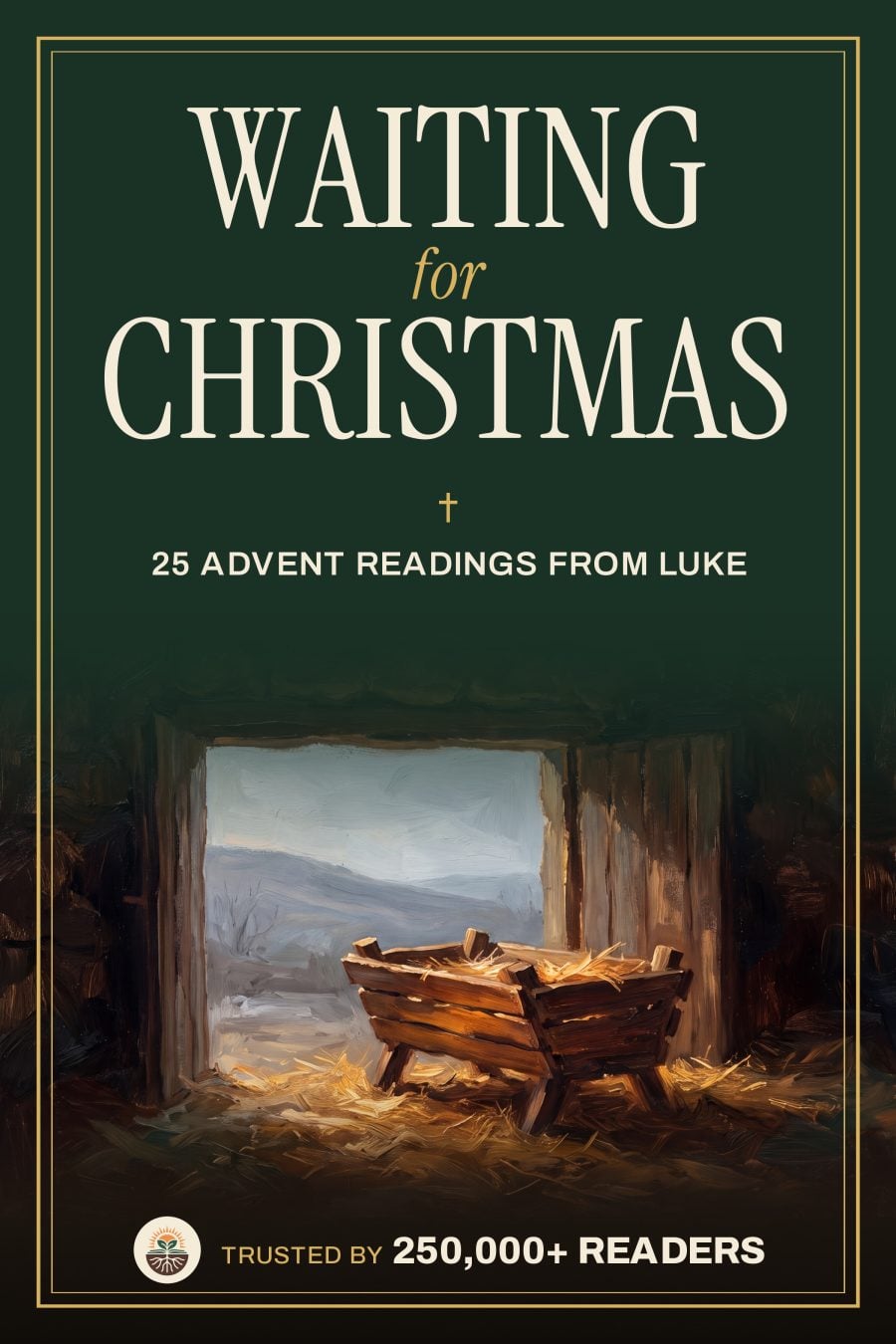
A daily Advent devotional for December 1 to 25, guided by the book of Luke. Twenty-five readings trace one promise from David's tent to the manger,...
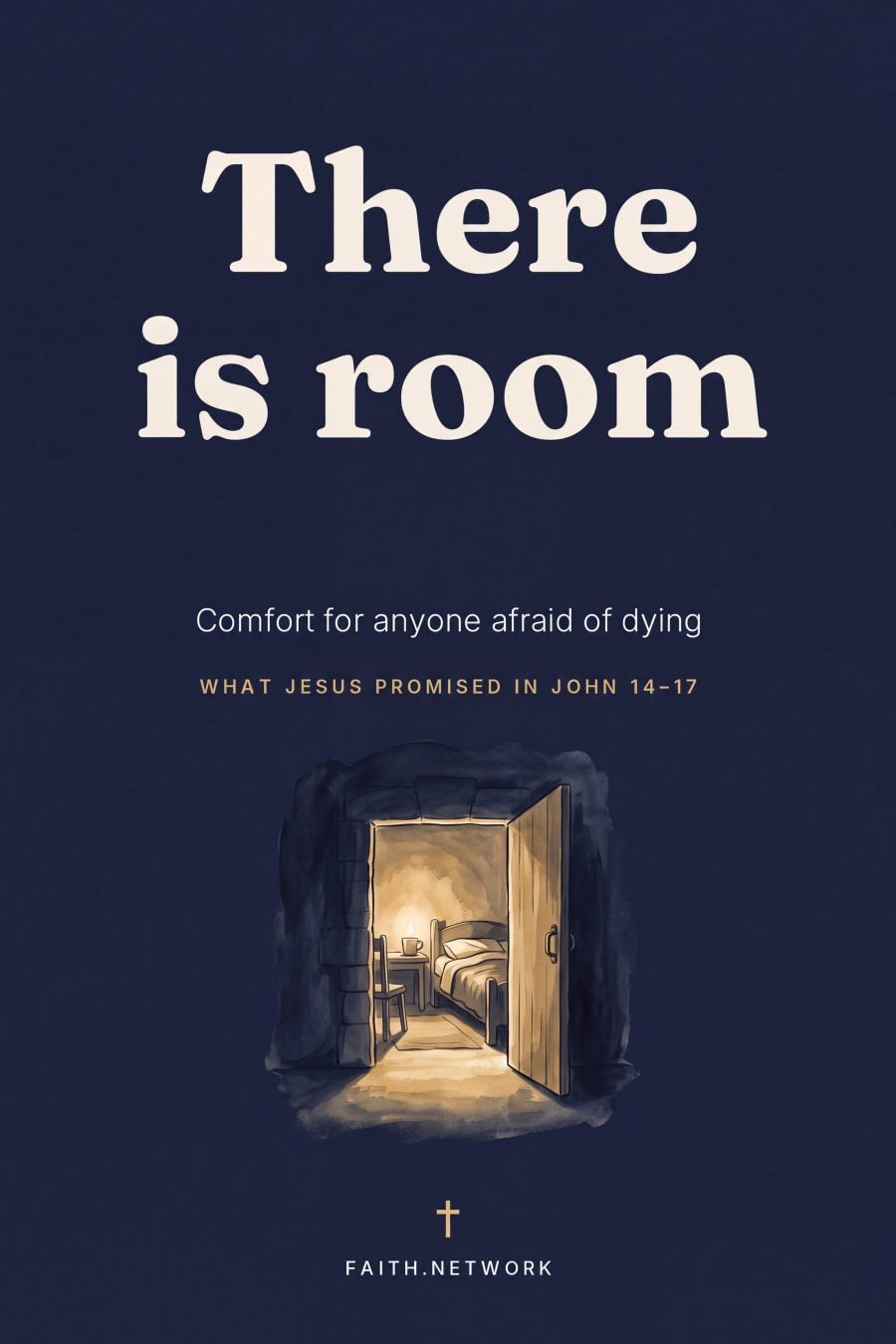
On the night before He died Jesus told frightened friends He was going first and there would be room. Fourteen short chapters on John 14-17 for any...

1 Samuel: Looking on the Heart
Storytelling commentary at its best, from Hannah's prayer to David's rise.

One clear guide through both books of Samuel and their flawed kings.

Accessible walk through Samuel, Saul and David with constant application.

1 and 2 Samuel: An Introduction and Commentary
A trusted Tyndale commentary: compact, careful and clear on every passage.

Faith.network earns a small commission on Kobo purchases made through these links, at no extra cost to you. It helps keep the studies free.
Frequently asked questions about 1 Samuel 3:3
Quick answers to the most common questions about this Bible passage.
What does 1 Samuel 3:3 mean?
What is 1 Samuel 3:3 about?
What is the historical context of 1 Samuel 3:3?
What does 1 Samuel 3:3 teach us about God's character?
How is 1 Samuel 3:3 still relevant today?
 JL Group
What the community shares on 1 Samuel 3
Insights, prayers and thanksgivings from readers and the editorial team on this passage.
Thank You that when Samuel lay until morning with a heavy word inside him, he still rose and opened the doors of Yahweh's house. Thank You for meeting us in ordinary duties when our hearts are afraid, and for being patient with us when hard truth is slow to leave our lips.
Eli had laid down in his place. Now his eyes had begun to grow dim, so that he could not see."
Eli's fading eyesight is more than a physical detail. The priest who should have been watching over God's house can no longer see clearly, and his sons had already darkened his home with their sin. Into that dimness God will speak, but not to Eli. He will call a boy.
Sometimes God bypasses the expected voice and whispers to the small one still listening. When your own vision feels dim, do not despair. He may be preparing to speak in a way you never imagined.
Yahweh called Samuel. He said, 'Here I am.'" He ran to the wrong person three times, and still God kept calling. Samuel didn't recognize the voice, but he got up anyway. Maybe that's where it starts for you too. Not certainty about who is speaking, just a willingness to rise in the dark and answer.
Explore this passage at a different level
Beginner, theologian, or a different reading length? Adjust the settings and generate your own version.
Open in the study tool

 Philippines
 Nigeria
 Zimbabwe
 India
India
 Zambia
 South Africa

 Malawi
 Kenya
Kenya

 Indonesia




 DR Congo
 Ghana
Ghana
 Nepal
Nepal

 Cameroon







 Mozambique

 Benin
Benin














