Acts 2
 This chapter is made possible by JL Group
The Text
Fifty days after Passover, in a house in Jerusalem where roughly a hundred and twenty followers of Jesus are gathered, something breaks loose from heaven: a sound like a violent wind, tongues like fire resting on each of them, and speech in languages they never learned. Pilgrims from across the empire hear their own dialects and are stunned. Peter stands up, explains what is happening from the prophet Joel and the Psalms, and three thousand are baptized that day.
The Core
The wind comes first, before the words. Luke is careful: it is not wind, but like the rushing of a violent wind, and not fire, but tongues as of fire. Language strains because something is happening for which there is no precedent. God, who at Sinai came down on a mountain with smoke and trembling, now comes down on people, and settles on each one individually. That is the theological earthquake. The Spirit is no longer the exclusive equipment of prophet, priest or king. He rests on a fisherman from Galilee, on a woman from the group of disciples, on Mary. The temple is being relocated, quietly, into human beings.
The Common Thread
Joel had promised it, that God would pour out his Spirit on all flesh, and Peter grabs that scroll first. But listen to what he does next: he preaches Psalm 16 and Psalm 110, and both are about a king who does not stay in the grave and who sits at God's right hand. Pentecost only makes sense because Easter happened. The Spirit is the gift of the risen and enthroned Christ, not a religious mood. And there is an older echo too. At Babel languages scattered humanity; here languages gather humanity. Not because everyone suddenly speaks the same tongue, but because the gospel speaks everyone's tongue. God does not undo Babel by uniformity, he heals it by translation.
The Mirror
Notice what the crowd says first: "Aren't all these who speak Galileans?" It is a slight sneer. Galileans had accents, the way people from certain regions still do. God chooses to make his most cosmopolitan announcement through provincials with rough vowels. That should unsettle anyone who has quietly decided which voices count. And there is a second mirror. Peter, who six weeks earlier could not hold his nerve in front of a servant girl by a fire, now stands in the open and preaches to thousands. What changed was not his personality, but who lived in him. If you have been waiting to become braver, more articulate, more spiritually together before God can use you, this chapter takes that excuse away.
Context
Pentecost, Shavuot, drew Jews from everywhere to Jerusalem, fifty days after Passover. The city was crowded, tense, and still humming from the executions of that spring, including the strange one of Jesus of Nazareth. The list of nations Luke gives, from Parthia in the east to Rome in the west, is not travel-brochure decoration; it maps the Jewish diaspora, the scattered people, and hints at where the gospel will travel in the rest of Acts. The disciples are in Jerusalem because Jesus told them to wait, and waiting is exactly what they have been doing, together, in prayer, without a program. Then heaven moves.
The Question
Three thousand baptized in one day is a number that makes modern readers uneasy, or envious, or suspicious. What about discipleship? What about counting the cost? The text does not answer that anxiety directly, but it does answer it. Verse 42 is Luke's quiet insistence: they continued in the apostles' teaching, in fellowship, in the breaking of bread, in the prayers. The mass conversion is real, but it is immediately funneled into ordinary, patient community life. What Pentecost does not do is bypass the slow work of being formed together. The fire falls, and then people learn to share meals and money. Both are Spirit-work.
The Profile
The first hearers of Acts, likely Gentile Christians of Luke's own generation, needed to know that their faith was not an afterthought. When they heard the list of nations, they heard themselves being anticipated. When they heard that Galileans preached and Parthians understood, they heard that their own strange, mixed congregation, with its Greek and Latin and Aramaic, was not an accident. This story told them: you were on God's mind from the first morning. And it told them something harder too, that the Spirit who came in wind and fire is the same Spirit forming them now in the unspectacular business of teaching, table, prayer. That is still the pattern.
Reflection
Where in your life have you been waiting to feel ready before letting God use you, and what would change if readiness were not the point?
Pentecost fire led straight into shared meals and shared money. What does that say about how you would recognize the Spirit's work in your own church today?
Go deeper in Acts
Hand picked books that unpack this Bible book further.
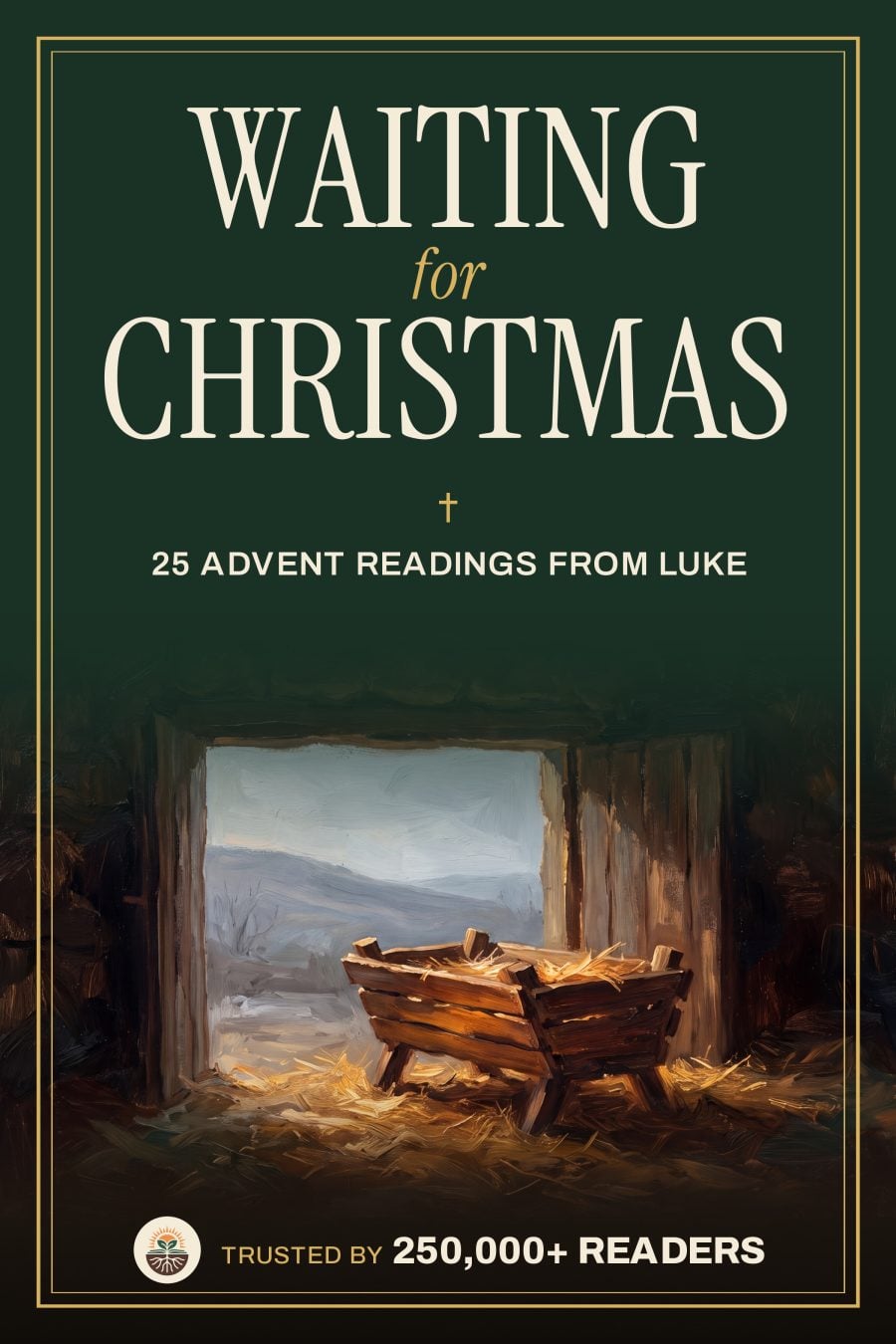
A daily Advent devotional for December 1 to 25, guided by the book of Luke. Twenty-five readings trace one promise from David's tent to the manger,...
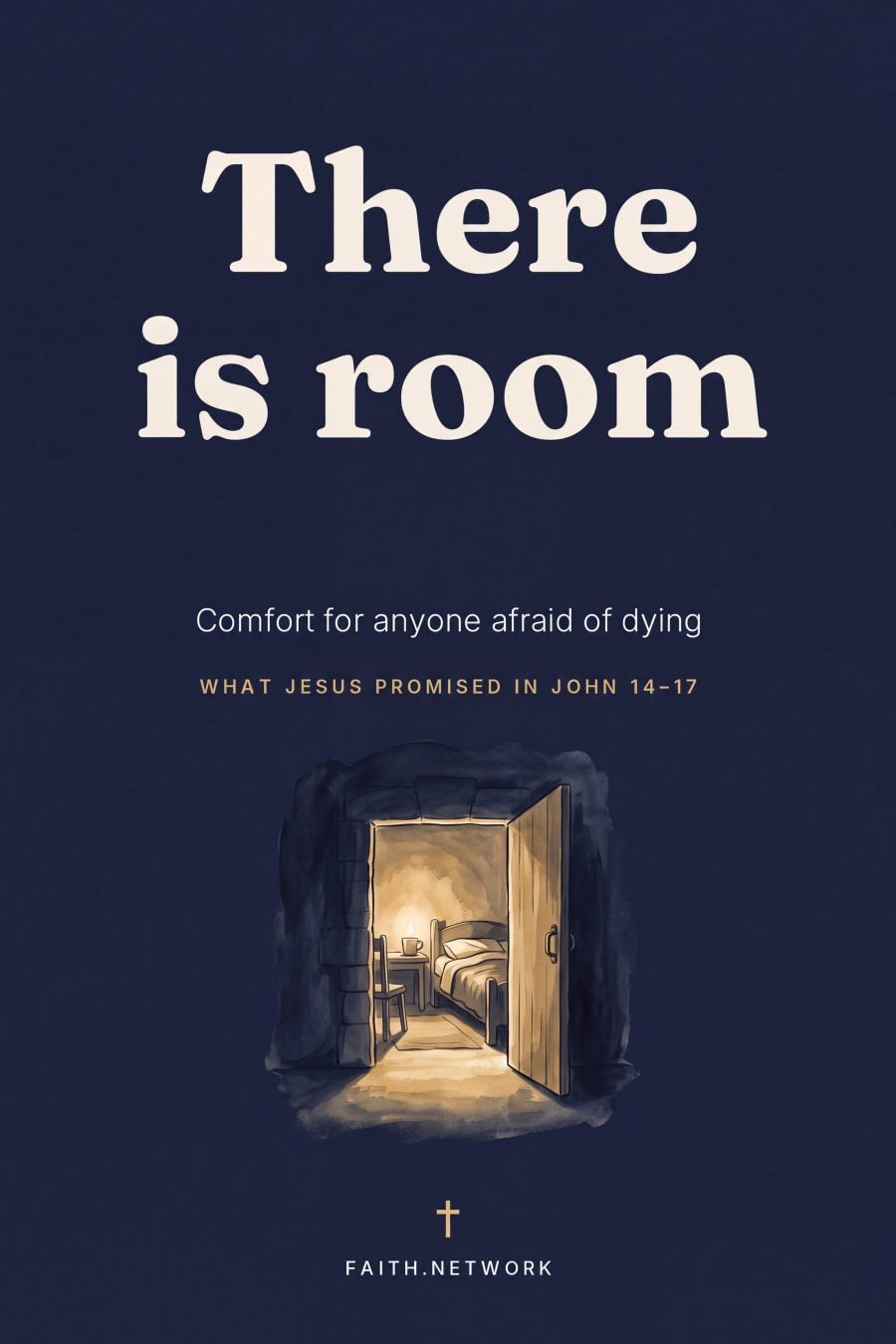
On the night before He died Jesus told frightened friends He was going first and there would be room. Fourteen short chapters on John 14-17 for any...


The church's explosive beginnings, explained with energy and care.

Acts: An Introduction and Commentary
A trusted Tyndale commentary: compact, careful and clear on every passage.

Faith.network earns a small commission on Kobo purchases made through these links, at no extra cost to you. It helps keep the studies free.
Frequently asked questions about Acts 2
Quick answers to the most common questions about this Bible passage.
What does Acts 2 mean?
What is Acts 2 about?
What is the historical context of Acts 2?
What does Acts 2 teach us about God's character?
How is Acts 2 still relevant today?
What the community shares on Acts 2
Insights, prayers and thanksgivings from readers and the editorial team on this passage.
Father, you gathered people from every corner of the world into one city, and none of them arrived by accident. Draw us together like that again. Teach me to see the stranger beside me as someone you brought here on purpose.
Explore this passage at a different level
Beginner, theologian, or a different reading length? Adjust the settings and generate your own version.
Open in the study tool

 Philippines
 Nigeria
 Zimbabwe
 India
India
 Zambia
 South Africa

 Malawi
 Kenya
Kenya

 Indonesia




 DR Congo
 Ghana
Ghana
 Nepal
Nepal

 Cameroon







 Mozambique

 Benin
Benin














