Ezekiel 36
 This chapter is made possible by JL Group
The Text
An exiled prophet is told to preach to mountains. Not to people, but to the rocky spine of a land now emptied of its inhabitants. God promises those mountains they will again carry vineyards and villages, and He promises the scattered people that He will bring them home, wash them clean, give them a new heart, and replace their stone hearts with hearts of flesh. And He states, uncomfortably clearly, that He does none of this because Israel deserves it. He does it for the sake of His own name.
The Core
This chapter is a hammer blow against the idea that grace is earned. Twice God says He acts "not for your sake." The exiles had every reason to assume that if restoration came, it would come because they had finally learned their lesson, finally repented deeply enough. Ezekiel cuts that thought off at the root. God restores because His reputation among the nations is at stake, because His holiness cannot be permanently associated with a defeated, scattered people. The new heart is not a reward for the old heart softening. It is a transplant performed on a corpse. That distinction matters, because a religion of moral improvement always collapses under its own weight.
The Common Thread
When Jesus tells Nicodemus that he must be born of water and Spirit, He assumes Nicodemus should already know this from Ezekiel 36. Verses 25 to 27 promise exactly that combination: clean water sprinkled, a new spirit given, God's own Spirit placed inside. What Ezekiel foresaw as a corporate national event, poured out on returning exiles, Jesus applies to individuals entering the kingdom. Pentecost is Ezekiel 36 breaking the banks of Israel and flooding the nations. And the Lord's Supper echoes verse 25 every time we hear that the blood cleanses. The pattern is consistent: God does the washing, God gives the Spirit, God writes on the heart.
The Mirror
If you have been a Christian for a while, there is a specific fatigue this chapter addresses. It is the exhaustion of trying to change yourself. You know your patterns, the sharp word to your spouse, the second glass, the phone at midnight, the resentment toward that colleague. You have prayed about it, journaled about it, made resolutions. And here God says the change you cannot manufacture, He performs. That is enormous relief and also a quiet offense, because it means you were never the engine. It also means when you look at someone whose life is a wreck, the question is not whether they deserve rescue. Neither did you. Neither did the exiles staring at the ruins of Jerusalem from a Babylonian riverbank.
The Main Character
God speaks in this chapter with a striking mixture of wounded honor and stubborn tenderness. He is angry, but not primarily at Israel. He is angry at Edom and the surrounding nations who mocked, plundered, and gleefully carved up Israel's land. And He is grieved that His name has been dragged through the mud among those nations because His people were exiled. There is something almost raw in verses 20 to 23, God overhearing pagans say, "These are the Lord's people, and yet they had to leave His land." The restoration is His answer to that mockery. What emerges is not a distant deity managing history from above, but a God whose reputation and whose people are so entangled that He cannot let them stay lost.
Context
Picture the audience. Ezekiel is prophesying somewhere around 585 BC, in a refugee settlement near the Chebar canal in Babylon. Jerusalem has just fallen. The temple is ash. The elite have been marched east in chains; the poor left behind are being harassed by neighboring peoples who move in to loot the abandoned terraces. Edom, Israel's cousin nation to the south, is especially loathsome in these years, celebrating Judah's collapse and grabbing land. The mountains of Israel, those famous terraced hills where olives and grapes had grown for centuries, now lie stripped and silent. When Ezekiel addresses those mountains, his hearers can smell the absence, the untended vines, the collapsed watchtowers. Their shame is not just religious. It is national, geographic, ancestral. Their God, they fear, has been defeated by Marduk.
The Detail
Notice the phrase "heart of stone" in verse 26. In a culture that carved covenants and laws into stone, the image is pointed. Stone was where you put things that must not change: treaties, boundaries, the Ten Commandments themselves. A stone heart is not just hard, it is a heart that has fossilized whatever was written on it long ago, incapable of receiving anything new. God's promise is not to rewrite the stone but to replace the organ. Flesh is soft, vulnerable, mortal. Which means the new heart He gives can be broken again. Sanctification, it turns out, requires a heart that can bleed.
Reflection
Where in your life are you still trying to renovate a stone heart instead of asking for a new one?
If God restores "for the sake of His name," how does that change the way you pray for people who seem beyond reach?
Go deeper in Ezekiel
Hand picked books that unpack this Bible book further.

A daily Advent devotional for December 1 to 25, guided by the book of Luke. Twenty-five readings trace one promise from David's tent to the manger,...
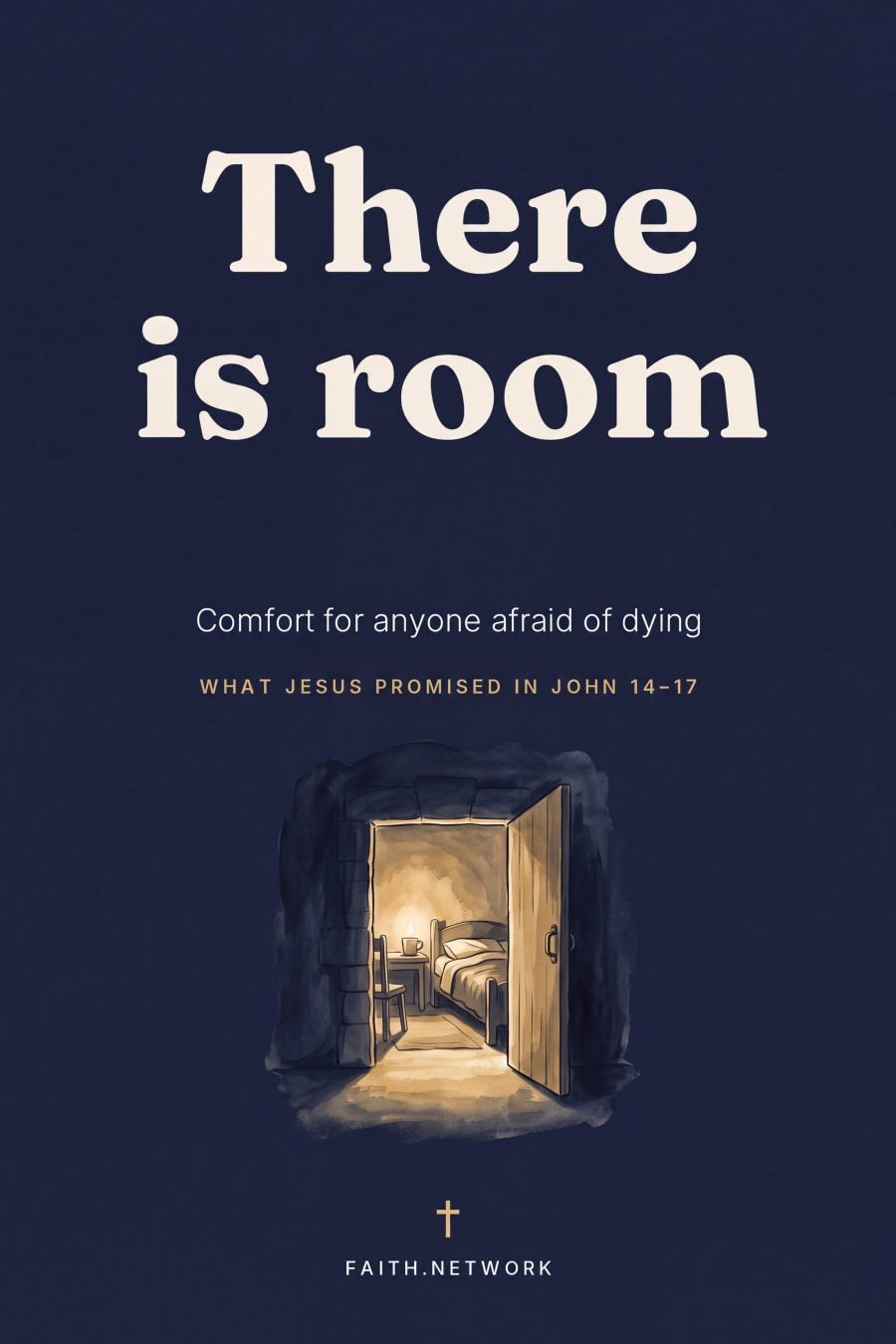
On the night before He died Jesus told frightened friends He was going first and there would be room. Fourteen short chapters on John 14-17 for any...

Makes the visions understandable and the hope of new hearts vivid.

Ezekiel (NIV Application Commentary)
Strong on what Ezekiel's strange imagery means and why it matters now.

Ezekiel: An Introduction and Commentary
A trusted Tyndale commentary: compact, careful and clear on every passage.
Faith.network earns a small commission on Kobo purchases made through these links, at no extra cost to you. It helps keep the studies free.
Frequently asked questions about Ezekiel 36
Quick answers to the most common questions about this Bible passage.
What does Ezekiel 36 mean?
What is Ezekiel 36 about?
What is the historical context of Ezekiel 36?
What does Ezekiel 36 teach us about God's character?
How is Ezekiel 36 still relevant today?
What the community shares on Ezekiel 36
Insights, prayers and thanksgivings from readers and the editorial team on this passage.
God speaks to hills, not people: "But you, mountains of Israel, you shall shoot out your branches, and yield your fruit to my people Israel; for they are at hand to come." The exiles were still far away, and already the land was told to get ready. God prepares the welcome before you ever start walking home. What is budding for you that you cannot see yet?
Explore this passage at a different level
Beginner, theologian, or a different reading length? Adjust the settings and generate your own version.
Open in the study tool

 Philippines
 Nigeria
 Zimbabwe
 India
India
 Zambia
 South Africa

 Malawi
 Kenya
Kenya

 Indonesia




 DR Congo
 Ghana
Ghana
 Nepal
Nepal

 Cameroon







 Mozambique

 Benin
Benin














