Isaiah 26:19
The Text
"Your dead shall live. My dead bodies shall arise. Awake and sing, you who dwell in the dust; for your dew is like the dew of herbs, and the earth will cast out the departed spirits." A promise that the dead will rise, addressed to those lying in the dust, with an image as tender as morning dew on grass.
The Core
Read this slowly. In a book full of judgment oracles and warnings against foreign kings, a sentence suddenly opens that seems to belong somewhere else entirely. The dead will live. Not as metaphor for national recovery, though the surrounding chapter is thinking in national terms, but as something stranger and larger. God speaks here of bodies. Of dust that will move again. And He calls it "my dead bodies," as if He has been carrying them all along. That possessive pronoun does something you cannot quickly explain away. The dead belong to Him. Death has not made them strangers.
The Common Thread
Isaiah stands centuries before the empty tomb, and yet the language here already smells of Easter morning. The image of dew is telling: dew comes without effort from the sleeper, silently, in the last darkness before dawn. So resurrection comes, not as human achievement but as gift from above. When Paul later writes that Christ is "the firstfruits of those who have fallen asleep," he is essentially unfolding what Isaiah already sings here. The dew of Isaiah 26 finds its concrete form in the risen body of Jesus. And the "awake and sing" is no longer future here; it is invitation. Christ has stepped through the dust, and taken the possessive pronoun of God with Him.
The Mirror
Perhaps you have stood at a grave this year. Perhaps you fear one. Perhaps something else has died in you: a marriage, a career, a hope you had held for decades. This text does not ask you to feel that pain away or to spiritualize it. It asks something harder: whether you dare hear that God calls the dust His own. Not the polished, presentable parts of your life, but precisely what has become dust. Where in your life do you consider something so definitively lost that even God can no longer reach it? That is exactly where this verse wants to lay its finger. Not to give quick comfort, but to loosen your definition of "final."
The Main Character
God speaks here, and how He speaks is worth pausing over. There is no thundering, no display of power. He whispers a promise into a chapter that had just spoken of enemies and judgment. He calls the dead "mine." He compares His life-giving to dew, which is one of the gentlest images the Hebrew Bible knows: dew you do not hear falling, dew you only see when the sun rises. Here is a God who does not stomp through cemeteries but bends over them. Who addresses the sleepers as if they can hear Him already. That posture, tender toward the dust, is the same posture we later see in a garden near an empty tomb, when a voice says: Mary.
The Profile
The first hearers lived in a world where death was truly the end. Sheol, the realm of the dead, was in most Old Testament thinking a shadow existence, without praise, without contact with God. "The dead do not praise the Lord," says Psalm 115. Against that backdrop, Isaiah 26:19 is nearly outrageous. This is not a familiar consolation being repeated; this is a door opening in a wall the hearers thought was solid. For Israelites who had buried children, spouses, parents, without hope of ever seeing them again, this word must have hit like something too good to trust. And perhaps that is exactly how it should hit: as promise that surpasses your framework rather than confirms it.
Context
Isaiah 24 to 27 is often called the "Isaiah Apocalypse," chapters that look further than the immediate political crisis of Judah. Around Isaiah, empires shift, Assyria threatens, Babylon looms on the horizon. In the middle of those geopolitical anxieties, the prophet suddenly speaks of a scale on which death itself is at stake. The contrast with the previous verses is striking: verse 14 said of enemies that they are dead and will not rise. Verse 19 speaks of God's own dead who will rise. Death is thus not simply the end of everyone equally; it becomes the terrain where God makes distinctions, where He calls His people by name, even from the dust. That is more than national restoration. That is a hairline crack in the wall between the living and the dead.
Reflection
Where in your life have you called something dead that God perhaps still calls "mine"?
What would change in your prayer today if you truly believed that God's voice reaches into the dust?
Go deeper in Isaiah
Hand picked books that unpack this Bible book further.
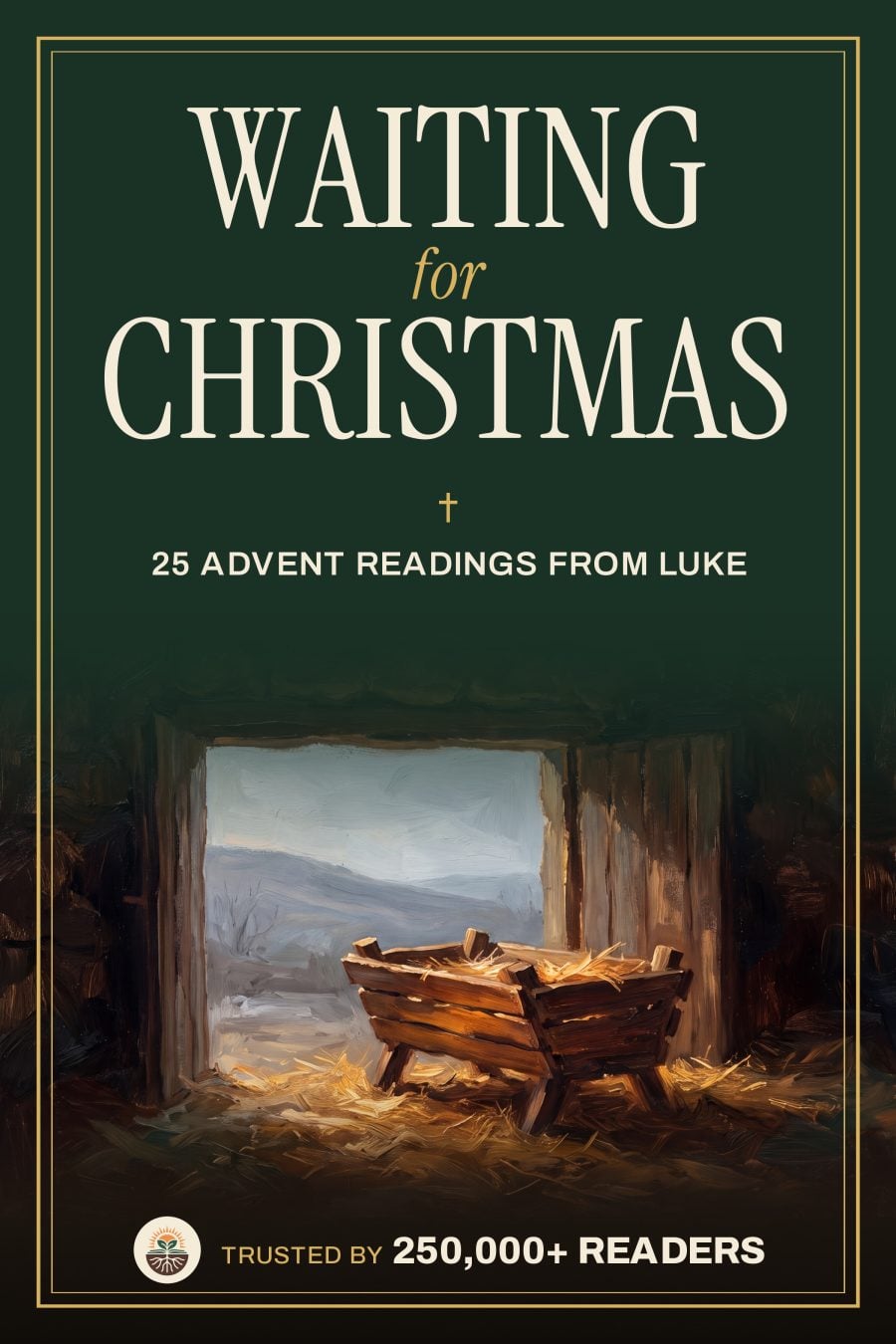
A daily Advent devotional for December 1 to 25, guided by the book of Luke. Twenty-five readings trace one promise from David's tent to the manger,...
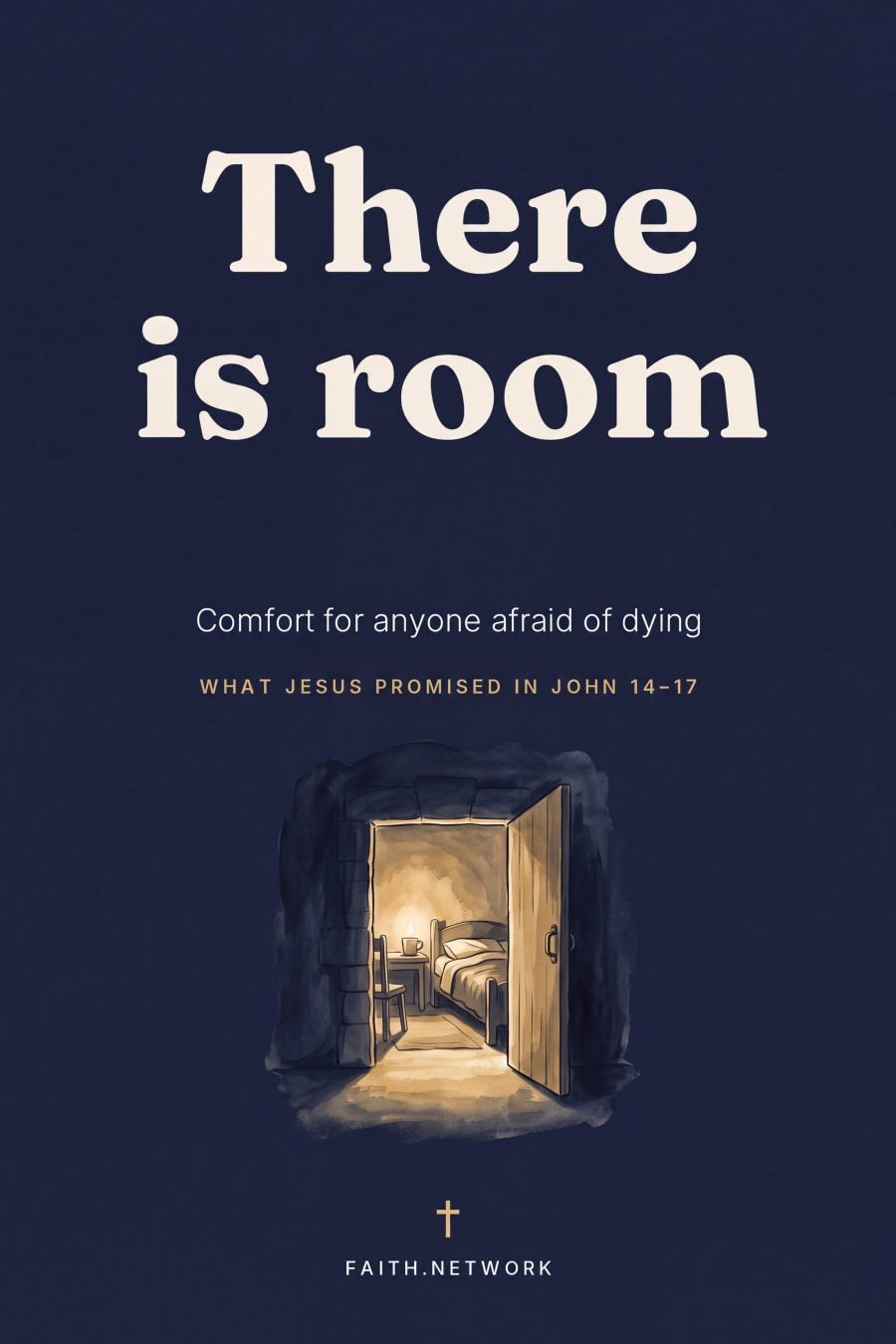
On the night before He died Jesus told frightened friends He was going first and there would be room. Fourteen short chapters on John 14-17 for any...

Isaiah (Tyndale Old Testament Commentaries)
A lifetime of Isaiah study distilled into one accessible volume.

Keeps the big storyline of judgment and comfort wonderfully clear.
Isaiah: An Introduction and Commentary
A lifetime of Isaiah study distilled into one accessible volume.


Faith.network earns a small commission on Kobo purchases made through these links, at no extra cost to you. It helps keep the studies free.
Frequently asked questions about Isaiah 26:19
Quick answers to the most common questions about this Bible passage.
What does Isaiah 26:19 mean?
What is Isaiah 26:19 about?
What is the historical context of Isaiah 26:19?
What does Isaiah 26:19 teach us about God's character?
How is Isaiah 26:19 still relevant today?
 JL Group
What the community shares on Isaiah 26
Insights, prayers and thanksgivings from readers and the editorial team on this passage.
The proud city that once crushed the poor is brought down to the dust, and then this: "The foot shall tread it down, even the feet of the poor and the steps of the needy." They never stormed the walls. God laid it low, and they simply walked across. What wall are you straining to push down that God may intend to level while you wait?
Explore this passage at a different level
Beginner, theologian, or a different reading length? Adjust the settings and generate your own version.
Open in the study tool

 Philippines
 Nigeria
 Zimbabwe
 India
India
 Zambia
 South Africa

 Malawi
 Kenya
Kenya

 Indonesia




 DR Congo
 Ghana
Ghana
 Nepal
Nepal

 Cameroon







 Mozambique

 Benin
Benin














