Isaiah 6:9
The Text
Isaiah has just said the bravest words in the book: "Here I am. Send me!" And the answer he receives is not a message of comfort or even a warning that might be heeded. He is sent to tell a people that their hearing will not become understanding and their seeing will not become perception. The commission is real, the words are to be spoken, and the outcome is announced in advance: nothing will land. Go, says the voice from the throne, and preach to people whose ears work perfectly well.
The Core
Something in this verse refuses to be smoothed over. God does not say the people cannot hear; He says they hear indeed. The senses function. What fails is the passage from sound to sense, from sight to insight. And God announces that failure as if it were part of the assignment. Which raises the question the text does not close: is this a diagnosis or a decree? Is God describing what long refusal has already done to Judah, or is He now sealing it? Isaiah does not tell us. The verse leaves us standing in front of a God who is free, whose word is never neutral, and who can send truth into a room where He knows it will be resisted. That is not a comfortable God. It is the God on the throne of verse one.
The Common Thread
This one verse becomes one of the most quoted lines in the New Testament, and always at the same moment: when people stand in front of Jesus, watch Him heal, hear Him teach, and walk away unmoved. He tells parables, and then explains why parables: because Isaiah 6 is happening again in front of Him. The pattern holds. God comes near, and nearness does not automatically produce faith; it can also harden. The thread runs from Isaiah's temple vision to a Galilean hillside to a cross where a crowd looks straight at the Son of God and sees a failed rebel. And yet Isaiah 6 does not end in verse nine. Verse thirteen speaks of a stump, and of holy seed. The judgment is real. It is not the last word.
The Mirror
You have heard sermons you cannot remember. You have read this chapter before. That is the uncomfortable place this verse puts you: not among the ignorant, but among the well informed. Familiarity is its own kind of deafness. You know how the story goes, so the words slide past without friction, and you mistake recognition for understanding. It happens in the marriage where you have heard your spouse's complaint so often it no longer registers as pain. It happens with money, where you know exactly what Jesus said and have quietly filed it under exaggeration. Ask honestly: where have I heard indeed and not understood? Not because someone shut my eyes, but because I preferred them half closed.
Context
Uzziah has just died, after a long and prosperous reign. Judah is not in ruins; it is comfortable, religiously busy, politically nervous about Assyria rising in the north. Isaiah is standing in the temple, the one place where heaven and earth were supposed to meet, and he sees that they do meet, more terribly than anyone imagined. In such a moment you expect a call to revival. Instead the prophet is handed a ministry whose measure of success will be the absence of success. He will preach for decades. He will not see the harvest. Prophets in the ancient world were expected to deliver useful oracles to kings; Isaiah is sent to speak words designed to expose, not to please.
The Main Character
God is the one speaking, and He does not explain Himself. The seraphim cover their faces; the thresholds shake; the house fills with smoke. Everything in the scene resists close inspection, and then this voice sends a forgiven man out with a message that will not be received. Notice the tenderness that has just happened, though: the coal, the touched lips, the words "your iniquity is taken away, and your sin forgiven." The same God who forgives Isaiah's unclean lips now sends those lips into a wall of resistance. He is not cold. He is holy, which is stranger than cold. And when Isaiah asks, in verse eleven, "Lord, how long?", God answers. The question is allowed. The mystery is not solved, but the questioner is not silenced.
The Intertext
Jesus takes this verse in His hands and repeats it: the parables are told, He says, so that people "seeing they may not see." That is not a softening of Isaiah; it is a confirmation. But hold it next to Isaiah 35, where the same prophet promises that "the ears of the deaf shall be unstopped." The two texts are not at war. The God who says "shut their eyes" is the God who opens them, and He is under no obligation to explain the timing to us. Isaiah's stump, the holy seed, is where those two sentences meet.
Reflection
Where in your own life do you hear indeed without understanding, and what would it cost you to actually understand?
Isaiah asked "Lord, how long?" rather than "Lord, why?" What does that tell you about the kind of question faith is allowed to ask?
Go deeper in Isaiah
Hand picked books that unpack this Bible book further.

A daily Advent devotional for December 1 to 25, guided by the book of Luke. Twenty-five readings trace one promise from David's tent to the manger,...
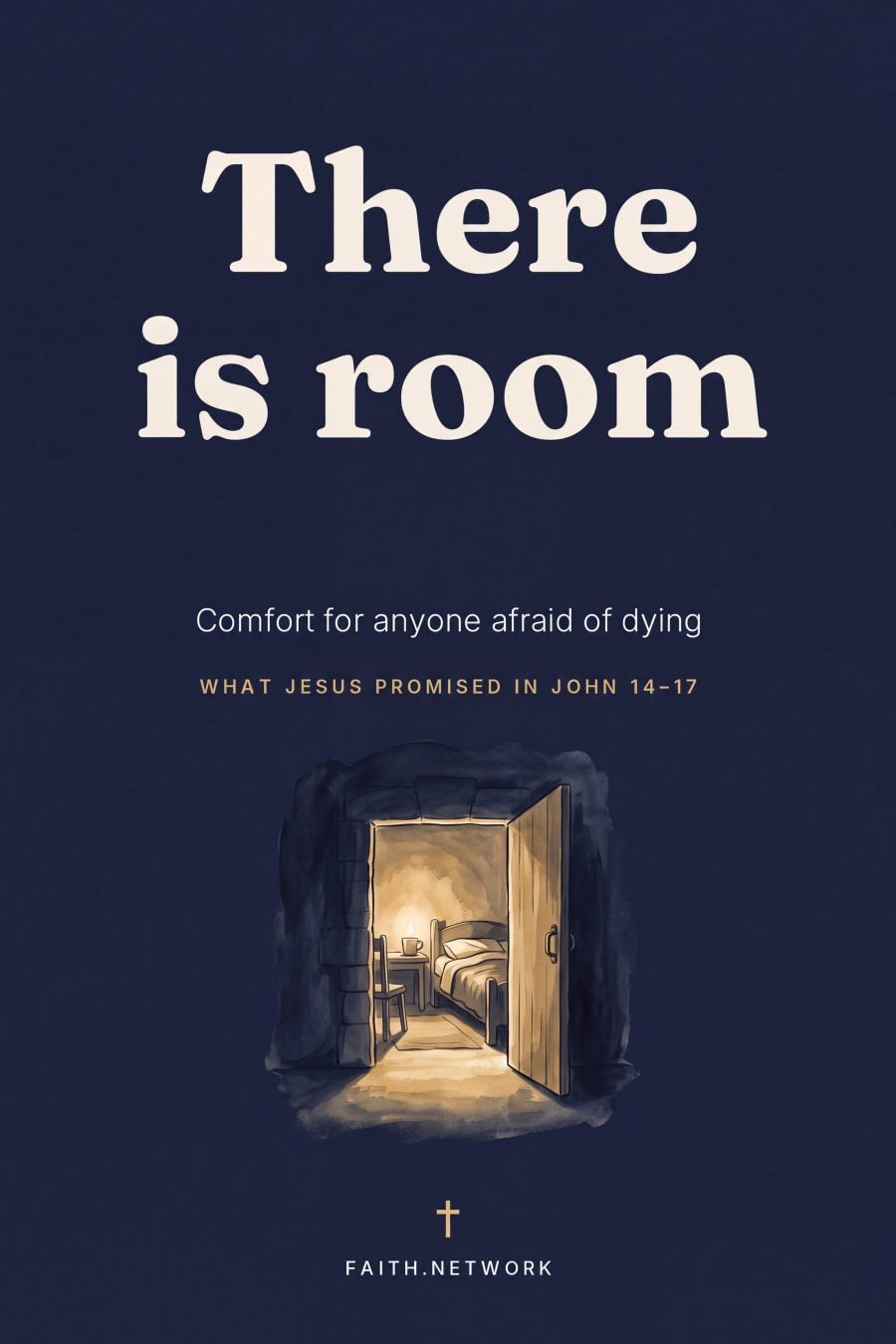
On the night before He died Jesus told frightened friends He was going first and there would be room. Fourteen short chapters on John 14-17 for any...

Isaiah (Tyndale Old Testament Commentaries)
A lifetime of Isaiah study distilled into one accessible volume.

Keeps the big storyline of judgment and comfort wonderfully clear.
Isaiah: An Introduction and Commentary
A lifetime of Isaiah study distilled into one accessible volume.


Faith.network earns a small commission on Kobo purchases made through these links, at no extra cost to you. It helps keep the studies free.
Frequently asked questions about Isaiah 6:9
Quick answers to the most common questions about this Bible passage.
What does Isaiah 6:9 mean?
What is Isaiah 6:9 about?
What is the historical context of Isaiah 6:9?
What does Isaiah 6:9 teach us about God's character?
How is Isaiah 6:9 still relevant today?
 JL Group
What the community shares on Isaiah 6
Insights, prayers and thanksgivings from readers and the editorial team on this passage.
Holy God, when I glimpse even a shadow of your greatness, the ground beneath me shakes and I feel small. Fill this space with your presence until nothing in me stays untouched. I want to know the weight of your glory.
Explore this passage at a different level
Beginner, theologian, or a different reading length? Adjust the settings and generate your own version.
Open in the study tool

 Philippines
 Nigeria
 Zimbabwe
 India
India
 Zambia
 South Africa

 Malawi
 Kenya
Kenya

 Indonesia




 DR Congo
 Ghana
Ghana
 Nepal
Nepal

 Cameroon







 Mozambique

 Benin
Benin














