Psalms 23:1
The Text
One line, seven words in Hebrew, and everything is decided: "Yahweh is my shepherd: I shall lack nothing." David does not say God is like a shepherd. He states a relationship and then draws the only conclusion that follows from it. The second half is not a wish or a mood; it is arithmetic. If this particular God, the one who has a name and gave it away at the burning bush, is the one herding me, then the category of lack has been closed. Everything the rest of the psalm describes, the pastures, the water, the valley, the table set in front of enemies, is commentary on that opening claim. Verse 1 is the thesis. Verses 2 through 6 are the evidence.
The Core
Notice what the confession costs. To call God your shepherd is to admit you are livestock: not the strategist, not the one who picks the route, not the one who knows where the water is. Sheep in the ancient world were property, valuable and vulnerable, entirely dependent on someone else's competence and someone else's mercy. David, who had actually done this work in the fields outside Bethlehem and later wore a crown, puts himself in the flock. That is the theological weight of the line. Provision is real, but it arrives on the shepherd's terms and along the shepherd's path, which in this very psalm runs straight through the valley. "I shall lack nothing" is not a promise of comfort. It is a promise of sufficiency under someone else's leadership.
The Common Thread
The shepherd image does not begin with David and it does not end with him. Jacob, blessing Joseph's sons on his deathbed, looks back over a life of famine, deception and exile and calls God the one who shepherded him all his life long. Centuries later, Ezekiel hears God dismiss Israel's leaders for fattening themselves on the flock, and announce that he will do the job himself: he will search for the lost, bind the injured, feed them on the mountains. That promise hangs unfulfilled through the whole exile until a Galilean says out loud that he is the good shepherd, and adds the sentence no one in the Old Testament saw coming: this shepherd lays down his life for the sheep. The confession of Psalm 23:1 turns out to be a name Jesus claims for himself, and the price of it is his own throat.
The Mirror
The word "lack" is where this verse stops being decorative. You know exactly what you think you lack. The salary that never quite reaches the end of the month. The child who is not coming. The marriage that is technically intact and practically cold. The body that is now measurably worse than it was five years ago. The nagging arithmetic that says you are behind, that others got the pasture and you got the stones. David's line does not deny the shortage; he wrote it as a man who spent years as a fugitive eating other people's bread. What he denies is that the shortage has the last word about your life, because someone with a name is leading you and he is competent.
Today: write down, in one short phrase, the thing you are most convinced you lack. Under it write the verse in your own hand, then read both lines aloud, in that order, once.
Context
Kings in the ancient Near East loved being called shepherds. Hammurabi used the title; so did Assyrian rulers who flattened cities. It was propaganda language for a ruler who fed his people. What makes Psalm 23 strange is the pronoun. Not "Yahweh is the shepherd of Israel", which is how a nation sings, but "my shepherd", which is how one man says it who has smelled sheep. The Judean wilderness where David worked is not a meadow; it is chalk and thorn, where green pasture means a patch you have to be led to and water means a spring someone knows about. Sheep there die of ignorance. The psalm ends in Yahweh's house, so the route the shepherd walks has a destination: the sanctuary, not merely survival.
The Question
Then why do believers starve? Israel was told they lacked nothing in the forty years of wilderness, and that same wilderness swallowed an entire generation's graves. Christians have died of hunger and cancer and cruelty while confidently reciting this verse. If "I shall lack nothing" means what any hungry person means by it, the psalm is false. If it means only some inward spiritual satisfaction, it is a retreat into abstraction. The psalm itself refuses both exits: it puts the valley of the shadow of death squarely on the shepherd's route, and it does not promise a detour. What it promises is "you are with me". Whether that is enough is not a question you can settle in advance, on paper. You find out in the valley, and some people find out and still weep.
The Intertext
Look at what sits immediately before this psalm. Psalm 22 opens with the cry about being forsaken, and it is the sentence Jesus chose from the cross. Whoever arranged the Psalter put the psalm of abandonment and the psalm of the shepherd back to back without a word of explanation, which is its own kind of theology: the same voice says both, and neither cancels the other. Then look at the end of the Bible, where the vision in Revelation 7 says the Lamb at the center of the throne will shepherd the great multitude and lead them to springs of living water, and God will wipe away their tears. That is Psalm 23:1 with the Lamb in the shepherd's place and the tears finally accounted for. Between those two texts, you live.
Reflection
Which specific lack in your life do you secretly believe disproves this verse, and what would it mean to say it aloud to the Shepherd instead of holding it against him?
If the shepherd's path in this psalm runs through the valley rather than around it, what does that change about how you read your last two difficult years?
Go deeper in Psalms
Hand picked books that unpack this Bible book further.
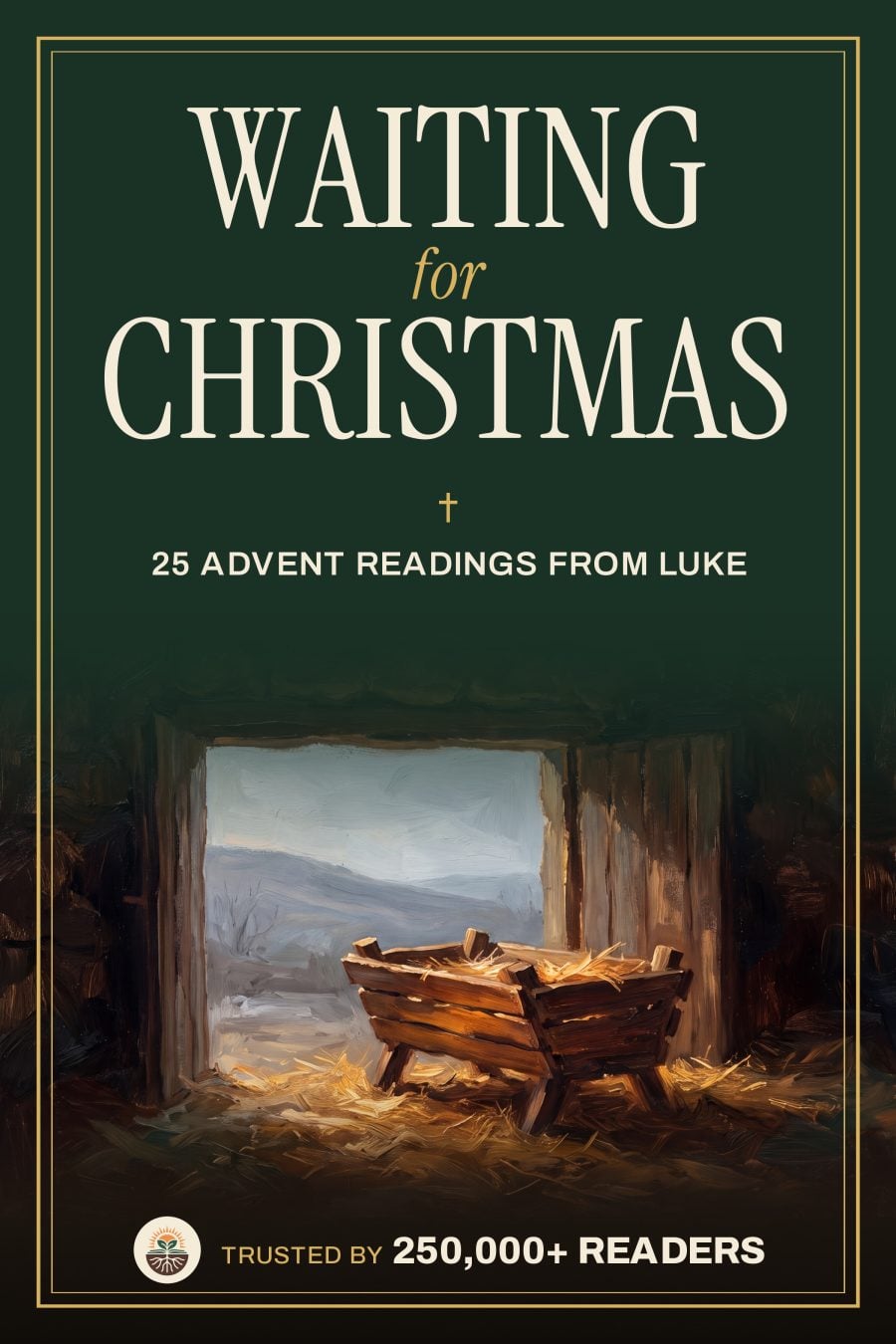
A daily Advent devotional for December 1 to 25, guided by the book of Luke. Twenty-five readings trace one promise from David's tent to the manger,...
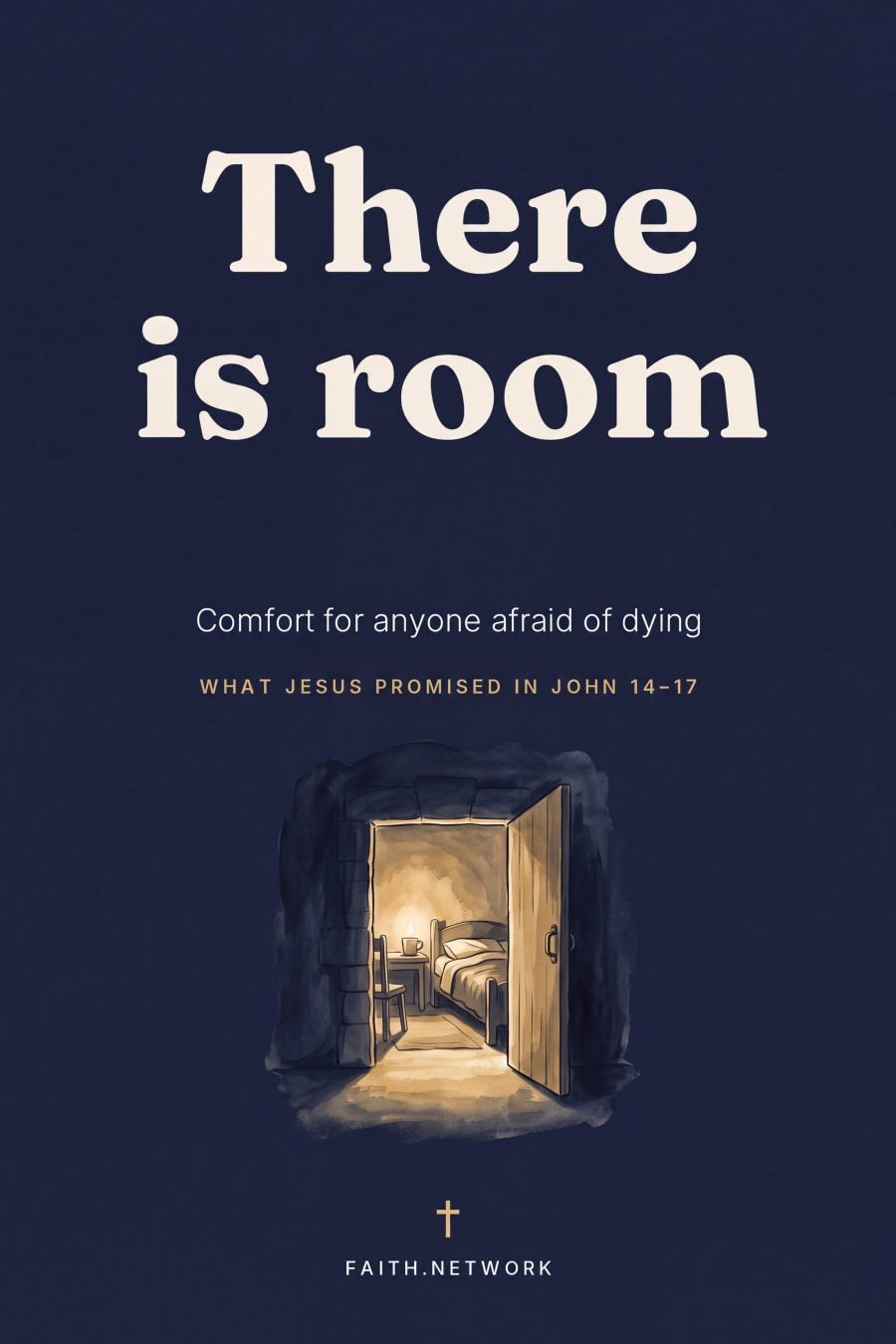
On the night before He died Jesus told frightened friends He was going first and there would be room. Fourteen short chapters on John 14-17 for any...

A year of daily devotions through every psalm, ideal alongside your reading.

Psalms 1-72 (Tyndale Old Testament Commentaries)
Kidner's crisp notes have helped generations pray the psalms.


Faith.network earns a small commission on Kobo purchases made through these links, at no extra cost to you. It helps keep the studies free.
Frequently asked questions about Psalms 23:1
Quick answers to the most common questions about this Bible passage.
What does Psalms 23:1 mean?
What is Psalms 23:1 about?
What is the historical context of Psalms 23:1?
What does Psalms 23:1 teach us about God's character?
How is Psalms 23:1 still relevant today?
 JL Group
What the community shares on Psalms 23
Insights, prayers and thanksgivings from readers and the editorial team on this passage.
When I read Psalm 23 with the loss of my father still fresh in my memory, verse 4 struck me most of all: even though I walk through the valley of the shadow of death, I will fear no evil, for You are with me. It was not a band-aid but a hand on my shoulder.
Surely goodness and loving kindness shall follow me all the days of my life." Follow, as in pursue. Two things are walking behind you right now, and neither of them is your past. You keep glancing back, bracing for what's gaining on you. It's mercy. All the days, even the ones you'd rather forget.
Explore this passage at a different level
Beginner, theologian, or a different reading length? Adjust the settings and generate your own version.
Open in the study tool

 Philippines
 Nigeria
 Zimbabwe
 India
India
 Zambia
 South Africa

 Malawi
 Kenya
Kenya

 Indonesia




 DR Congo
 Ghana
Ghana
 Nepal
Nepal

 Cameroon







 Mozambique

 Benin
Benin














