Psalms 49
 This chapter is made possible by JL Group
The Text
A wisdom singer calls all peoples, rich and poor together, to listen to a riddle he will unfold on the harp. His message is disarmingly simple and deeply unsettling: no one, however wealthy, can buy off death, and the grave receives fool and sage alike. Yet the psalm closes with a strange, quiet hope: "God will redeem my soul from the power of Sheol, for he will receive me."
The Core
Psalm 49 is a meditation on what money cannot do. It cannot bribe death, cannot extend a single hour, cannot follow you into the grave. The psalmist is not moralizing against wealth as such; he is stripping it of its illusion of ultimacy. What haunts him is not that the rich are evil but that they are trusted. And trust misplaced is the deepest form of foolishness. Against that backdrop stands one sober line of hope, not shouted but almost whispered: God himself will take me. The psalm places human confidence and divine rescue on two entirely different planes. One buys nothing eternal. The other simply receives.
The Common Thread
There is a line running from verse 15 through the whole of Scripture that ends at an empty tomb. The psalmist does not know how God will redeem him from Sheol; he only knows that God will. That "how" is left in shadow, and the psalm is honest about the shadow. Centuries later, Jesus tells a story about a rich man who tore down his barns to build bigger ones, and God says: "This night your soul is required of you." The parable is almost a sermon on this psalm. And when Paul writes that Christ "abolished death and brought life and immortality to light," he is filling in what Psalm 49 could only trust in the dark. The ransom no one could pay for a brother, God paid himself.
The Mirror
Read this psalm slowly and it begins to ask uncomfortable questions. Not "are you rich?" but "what are you counting on?" The mortgage that feels like security. The pension calculations that soothe. The reputation you have carefully built. The photos of the renovated kitchen. None of these are evil. All of them are powerless at the one moment that matters most. The psalmist is not asking you to despise them; he is asking you to see through them. And there is a particular sting in verse 18: people bless themselves while they prosper, and others praise them for doing well. We still do this. We call successful people wise, almost automatically. This psalm refuses that reflex. Wisdom, it insists, is measured by what survives the grave.
The Profile
The first hearers lived in a world where wealth was often read as divine favor and poverty as suspicion of divine displeasure. To sing this psalm in the temple courts was quietly subversive. The poor Israelite standing near a wealthy landowner heard: his house will not follow him, his name on the estate will not save him, he is like the beasts that perish. And the wealthy hearer, if he had ears, heard the same thing. The psalm addresses "all peoples," not only Israel, which is unusual and telling. This wisdom is not tribal. It is the kind of truth that any human being, in any culture, can verify by attending one funeral honestly.
Context
Psalm 49 belongs to the wisdom stream in the Psalter, closer in spirit to Job and Ecclesiastes than to the laments or praise psalms. It is ascribed to the sons of Korah, temple singers, which means this hard-edged meditation was sung in worship. That itself is worth pausing over: Israel did not confine such thoughts to private philosophy. They brought them into the sanctuary. Death, wealth, injustice, the apparent triumph of the arrogant, all of it was carried before God in song. The social setting assumes a stratified society where the gap between rich and poor was visible daily, where oppression by creditors was common, and where the temptation to envy the wealthy was as pressing then as now.
The Detail
Verse 15 uses a word charged with meaning: God will "receive" me. The same Hebrew verb is used of Enoch, who walked with God and "was not, for God took him." It is a quiet word, almost domestic, as if God simply reaches out and takes his own into himself. The psalmist does not describe resurrection, does not explain mechanics, does not paint heaven. He uses a verb of intimate taking. Everything the rich cannot buy, God does freely. Everything death seems to seize, God takes back with a gesture as ordinary as a father lifting a child. The whole hope of the psalm sits in that one verb.
Reflection
Where in your life have you quietly begun to trust something that cannot follow you into the grave?
What would it mean, today, to let God "receive" you, rather than to secure yourself?
Go deeper in Psalms
Hand picked books that unpack this Bible book further.
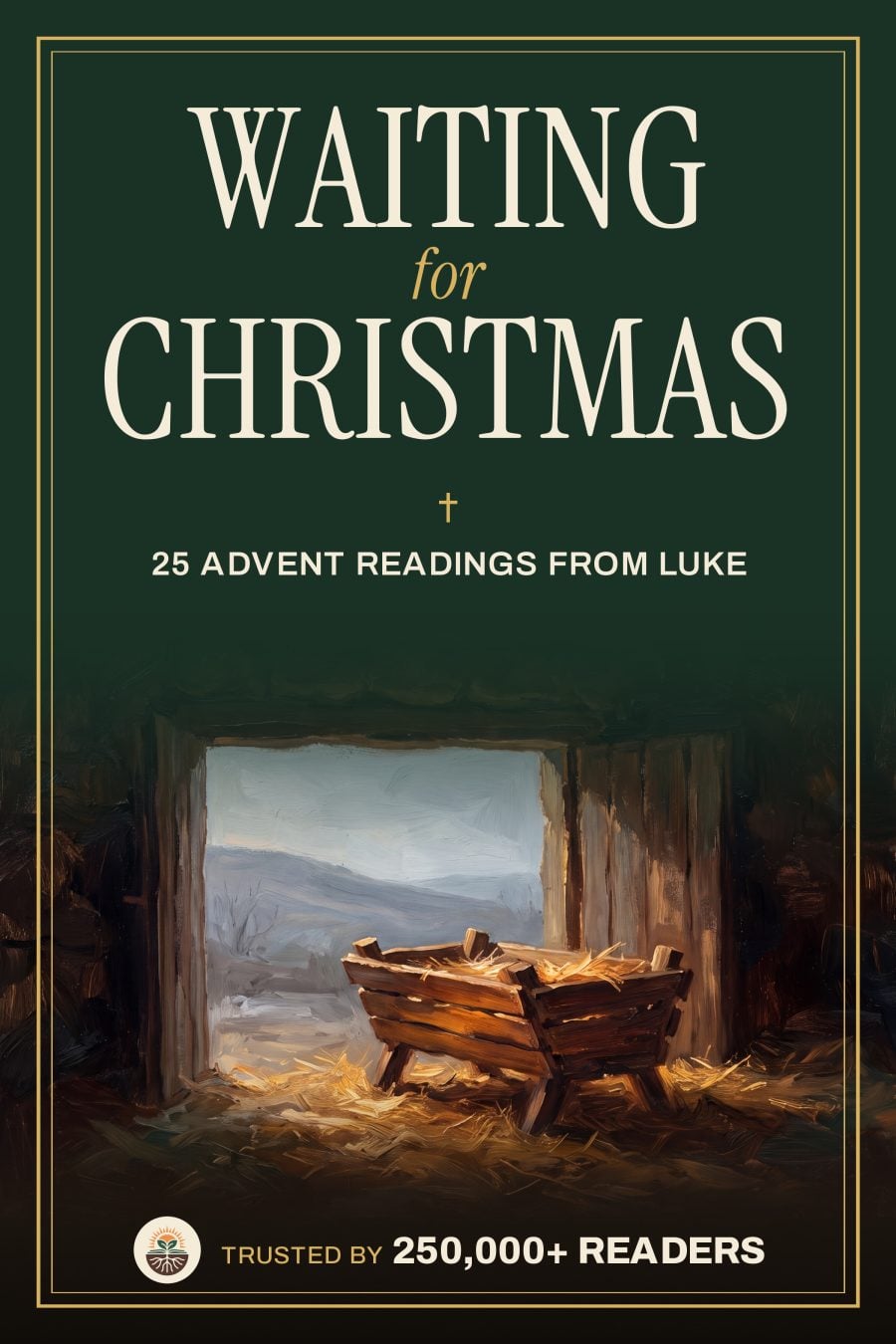
A daily Advent devotional for December 1 to 25, guided by the book of Luke. Twenty-five readings trace one promise from David's tent to the manger,...
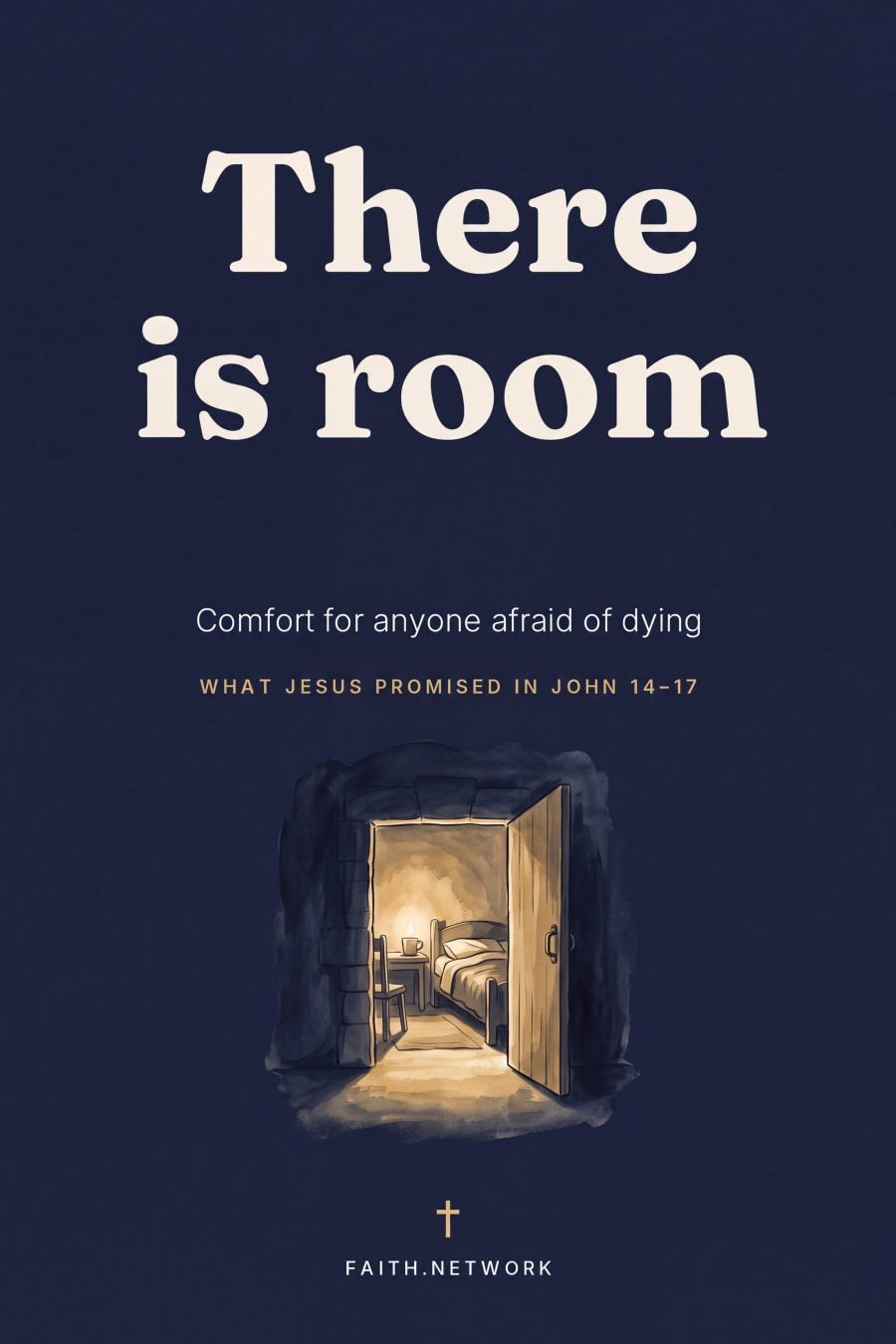
On the night before He died Jesus told frightened friends He was going first and there would be room. Fourteen short chapters on John 14-17 for any...

A year of daily devotions through every psalm, ideal alongside your reading.

Psalms 1-72 (Tyndale Old Testament Commentaries)
Kidner's crisp notes have helped generations pray the psalms.


Faith.network earns a small commission on Kobo purchases made through these links, at no extra cost to you. It helps keep the studies free.
Frequently asked questions about Psalms 49
Quick answers to the most common questions about this Bible passage.
What does Psalms 49 mean?
What is Psalms 49 about?
What is the historical context of Psalms 49?
What does Psalms 49 teach us about God's character?
How is Psalms 49 still relevant today?
What the community shares on Psalms 49
Insights, prayers and thanksgivings from readers and the editorial team on this passage.
Thank You for the honest warning that the rich man "shall go to the generation of his fathers" and never see the light. You shook me loose from trusting my bank balance, and You gave me Christ, who brings me through death into Your own light.
Thank You that Your call goes out to "both low and high, rich and poor together." My bank balance never decided whether I could hear You. You spoke to me, and You speak to the neighbor with far less and the stranger with far more, on the same level ground.
Why should I fear in the days of evil, when iniquity at my heels surrounds me?"
The psalmist is not pretending the trouble isn't there. He feels it right at his heels, close enough to trip him. But he asks himself a question instead of drowning in the fear. Sometimes faith sounds less like an answer and more like a better question spoken into the dark.
Explore this passage at a different level
Beginner, theologian, or a different reading length? Adjust the settings and generate your own version.
Open in the study tool

 Philippines
 Nigeria
 Zimbabwe
 India
India
 Zambia
 South Africa

 Malawi
 Kenya
Kenya

 Indonesia




 DR Congo
 Ghana
Ghana
 Nepal
Nepal

 Cameroon







 Mozambique

 Benin
Benin














