Psalms 91:5
The Text
You will not be afraid of the terror by night, nor of the arrow that flies by day. Two dangers, one from each half of the clock: the dread that has no shape and comes when you cannot see, and the aimed missile that comes in broad daylight from a hand that intends to hit you. The psalm names both and then says the strange thing: you will not be afraid.
The Core
Notice what the verse does not say. It does not say the arrows stop flying. Verse 7 admits that a thousand fall at your side; the battlefield stays a battlefield. What the psalm claims is that the person who has taken up residence in God, who "dwells in the secret place of the Most High," has been relocated in such a way that fear no longer holds the steering wheel. This is not optimism about outcomes. It is a claim about where your life is stored. Fear is treated here not as an emotion to be managed but as a symptom of address: fear tells you where you actually live. Change the address and the fear loses its lease.
The Common Thread
This is the psalm the devil quotes in the wilderness, verses 11 and 12, and Jesus refuses to let it be turned into a guarantee he can cash. He will not jump from the temple to test the promise. That refusal is the key to reading verse 5 honestly. The psalm is not a contract that exempts you from arrows; it is the language of a Son who trusts his Father without demanding proof. And then Jesus walks toward Jerusalem, where the terror by night comes to him in a garden and the arrow finds him at noon. He is not spared. He is carried through. Whatever verse 5 promises, it promises on the far side of a cross, not instead of one.
The Mirror
Ask honestly what fear is currently paying for in your life. It funds a lot. It funds the extra hours you work because you cannot picture God providing if you are merely competent instead of indispensable. It funds the money you will not give away because you have privately calculated how much you would need if things go wrong. It funds the way you hover over your children, the check-up you keep postponing because you would rather not know, the message you never sent because someone might use it against you. Fear is not neutral; it makes choices, and it usually makes stingy ones. The sharpness of verse 5 is that it addresses fear as something you are answerable for, not something that simply happens to you. And its comfort is that it does not ask you to be brave. It asks you to live somewhere else.
Today: write on a scrap of paper the one thing that woke you at three in the morning this past week, in plain words, no euphemism. Then read verse 2 aloud over it: "He is my refuge and my fortress; my God, in whom I trust." Then throw the paper away.
Context
Psalm 91 belongs to the poetry of the temple, spoken over people who were about to go back out into a dangerous world. The world of the first singers had no streetlights, no antibiotics, no standing police. Night was genuinely lethal: bandits, wild animals, and a spiritual landscape thick with named dreads. Day had its own hazard, the arrow, which in the ancient Near East meant war, siege, ambush on the road. The psalm speaks in two voices, one addressing a "you" and God himself speaking in verses 14 to 16, which suggests it was pronounced over someone: a soldier, a pilgrim, a sick person, a king. Someone laid words on a frightened body.
The Detail
The Hebrew behind "terror" is pachad, a word for dread that shudders rather than reasons. It is not fear of something identified; it is the fear that arrives before you have found the object. Set it beside "the arrow that flies by day" and you see the poet's craft: the shapeless and the aimed, the invisible and the visible, night and day. Together they mean everything. This is a merism, the way "heaven and earth" means the whole cosmos. So verse 5 is not a list of two hazards you happen to be covered for. It is a way of saying: from the vaguest three a.m. dread to the sharpest deliberate attack, and everything in between, there is no category left over.
The Profile
The people who first sang this had buried children. They knew what a plague did to a village and what an army did to a town. They were not naive, which means we should stop reading verse 5 as though it were written by someone who had never seen a corpse. They heard it the way soldiers hear a blessing before deployment: not as a prediction of survival but as a declaration of ownership. You belong to the Most High, and whatever comes at you must come through that fact first. That is a smaller promise than we sometimes want and an infinitely larger one than we usually live by.
Reflection
Which decision in the past month did fear make for you, and what would that decision have looked like if it had been made from "the secret place of the Most High" instead?
If verse 5 does not promise that the arrows miss, what exactly is it promising, and is that enough for you?
Go deeper in Psalms
Hand picked books that unpack this Bible book further.
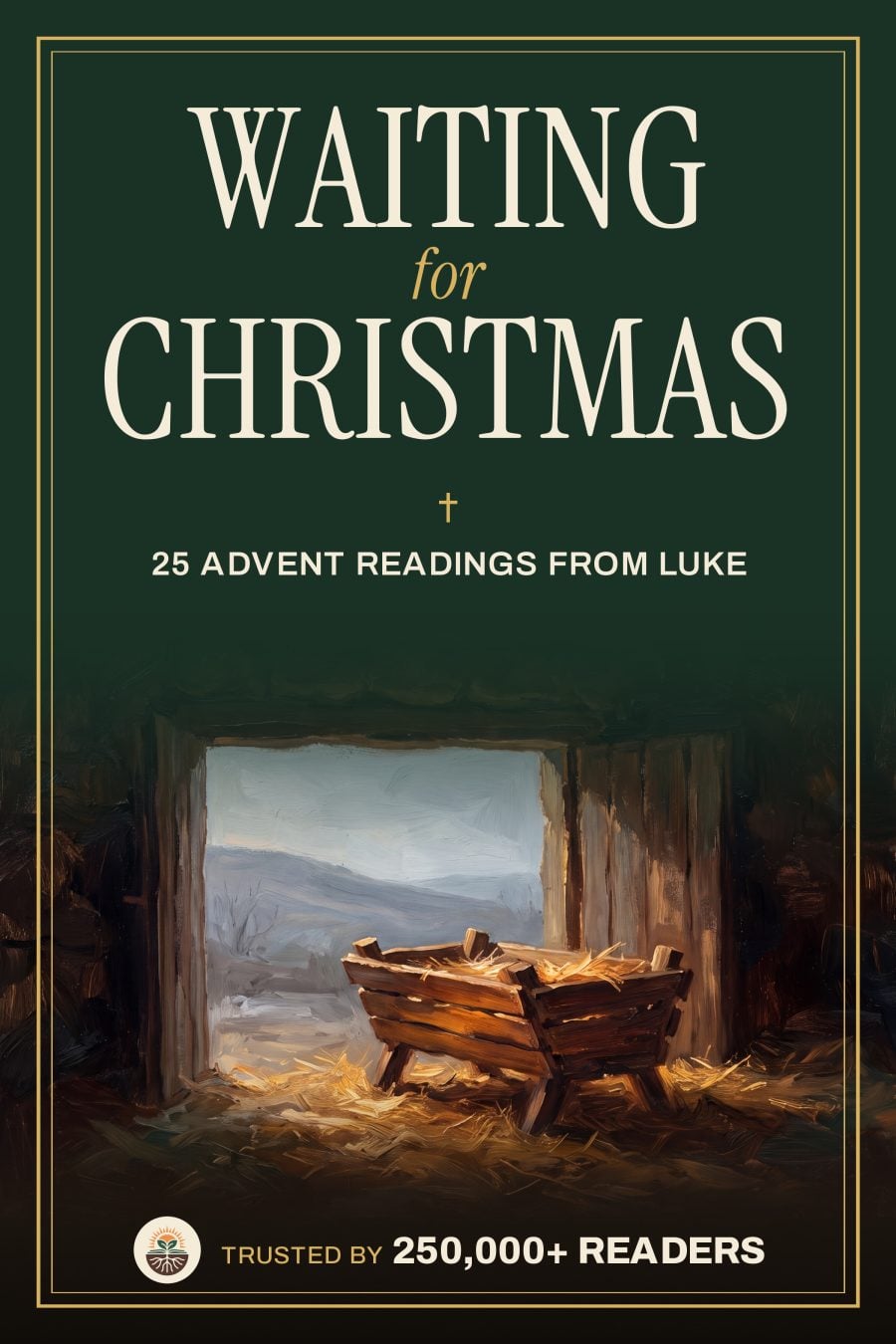
A daily Advent devotional for December 1 to 25, guided by the book of Luke. Twenty-five readings trace one promise from David's tent to the manger,...
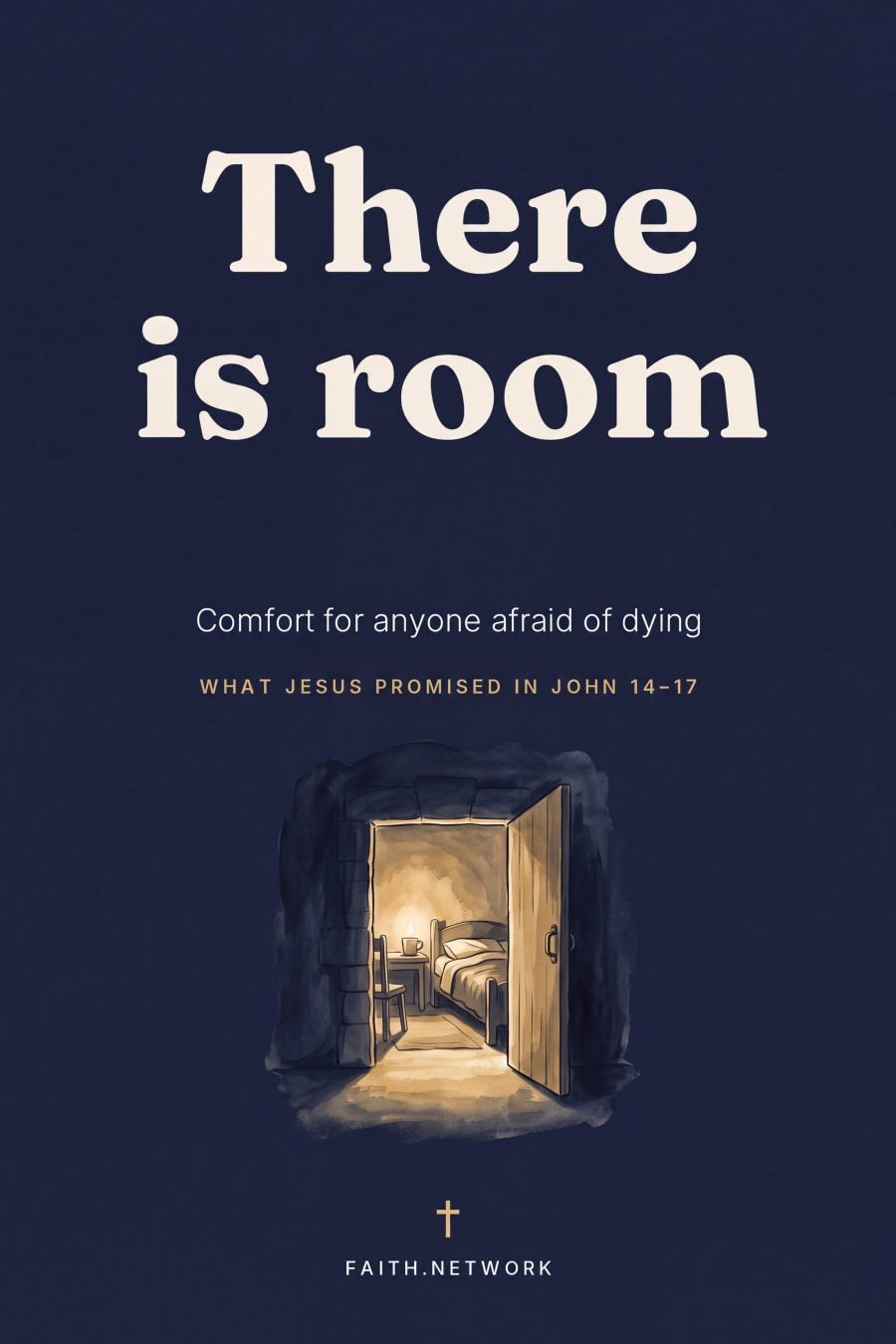
On the night before He died Jesus told frightened friends He was going first and there would be room. Fourteen short chapters on John 14-17 for any...

A year of daily devotions through every psalm, ideal alongside your reading.

Psalms 1-72 (Tyndale Old Testament Commentaries)
Kidner's crisp notes have helped generations pray the psalms.


Faith.network earns a small commission on Kobo purchases made through these links, at no extra cost to you. It helps keep the studies free.
Frequently asked questions about Psalms 91:5
Quick answers to the most common questions about this Bible passage.
What does Psalms 91:5 mean?
What is Psalms 91:5 about?
What is the historical context of Psalms 91:5?
What does Psalms 91:5 teach us about God's character?
How is Psalms 91:5 still relevant today?
 JL Group
What the community shares on Psalms 91
Insights, prayers and thanksgivings from readers and the editorial team on this passage.
You shall not be afraid of the terror by night, nor of the arrow that flies by day." Notice the two kinds of fear. Night terror has no face, it just presses on you in the dark. The arrow you can see coming. God names both, because he knows the vague dread and the real threat both find you. Which one keeps you awake?
Father, when I call, you hear me. I need that promise today, because trouble hasn't lifted and I'm tired of waiting. Stay close in it with me. Don't let me face this alone. I trust you to bring me through, even slowly.
Lord, when fear crouches at my door and threats hiss around me, remind me that no danger is greater than your care. Give me courage to keep walking, trusting you to hold me steady over every serpent and lion in my path.
Explore this passage at a different level
Beginner, theologian, or a different reading length? Adjust the settings and generate your own version.
Open in the study tool

 Philippines
 Nigeria
 Zimbabwe
 India
India
 Zambia
 South Africa

 Malawi
 Kenya
Kenya

 Indonesia




 DR Congo
 Ghana
Ghana
 Nepal
Nepal

 Cameroon







 Mozambique

 Benin
Benin














