Romans 9
 This chapter is made possible by JL Group
The Text
Paul opens with grief so heavy he wishes himself cursed if it would save his fellow Jews. Then comes the hard turn: not all Israel is Israel. Isaac, not Ishmael. Jacob, not Esau, chosen before either had done anything. Pharaoh hardened. The potter shapes the clay as he wills. And yet, at the end, Gentiles who were not seeking find, while Israel stumbles over the stone God himself laid down.
The Core
Romans 9 is Paul's answer to a question that lurks beneath the whole letter: if the gospel is true, has God broken his word to Israel? His answer cuts deeper than the question. God's word has not failed because God's promise never rested on bloodline or effort in the first place. It rested on his own free mercy. That is either terrifying or liberating, depending on where you are standing. If salvation depends on God's choice, no one earns it and no one can lose it by underperforming. But it also means no one can demand it. Grace stops being grace the moment we can bill God for it. This chapter forces us to let God be God, not a mechanism we operate.
The Common Thread
The whole chapter is a compressed retelling of the covenant story. Abraham, Isaac, Jacob, Moses, Pharaoh, the exile, the remnant, and finally the stumbling stone in Zion. Paul reads Israel's history as one long demonstration that God has always worked by election and mercy, not by natural descent or human striving. And that story climaxes in Christ, the stone laid in Zion. He is the one Isaiah promised, the one on whom faith either rests or breaks. What looks like a detour into predestination is actually a straight line: from Abraham's unlikely son, through Jacob the trickster, through a hardened Pharaoh, through a remnant preserved in judgment, to a crucified Messiah who saves the ones who trust him and offends the ones who thought they had first claim.
The Mirror
This chapter exposes something most of us hide well: our conviction that we have earned our place. We rarely say it out loud, but we live as if our faithfulness, our family history, our theological correctness, our decency, put God in our debt. Romans 9 dismantles that quietly and firmly. You did not choose yourself into the family of God any more than Jacob chose to be Jacob before he was born. That truth stings the achiever and steadies the exhausted. It also confronts the resentment we feel when God blesses the wrong people, the latecomers, the ones who did not pay their dues, the Gentiles at our table. If mercy is really mercy, we do not get to draw the guest list.
The Detail
Notice the potter in verses 20 to 21. Paul does not invent this image; he pulls it straight from Jeremiah and Isaiah, where it always described God's freedom over Israel specifically. That matters. The potter passage is often read as cold determinism, God shaping faceless individuals for arbitrary destinies. But Paul is talking about peoples, about Israel and the nations, about how God can reshape his covenant plan without breaking it. The clay is not raw material lying in a field; it is the covenant people on the wheel. The scandal is not that God is a tyrant but that he is free to include those we would exclude, and to humble those we would exalt.
The Profile
The first hearers in Rome were a mixed church, Jewish believers and Gentile believers sharing bread with real tension between them. Gentile Christians were tempted to think God had simply written Israel off and moved on to them. Jewish Christians were watching most of their own people reject the Messiah and wondering if the promises had collapsed. Paul writes into both anxieties. To the Gentiles: do not get proud, you are grafted in by mercy, not merit. To the Jews: God has not abandoned his word, a remnant remains, and the story is not over. What sounds to us like abstract doctrine was for them a pastoral crisis about who belongs at the table.
The Intertext
Two passages sit behind this chapter and light it up. Exodus 33, where Moses asks to see God's glory and hears the words Paul quotes: "I will have mercy on whom I have mercy." Mercy is God's glory, his defining freedom, not a soft add-on. And Isaiah 28:16, the stone in Zion, which Paul splices with Isaiah 8:14 to say that the same stone is both foundation and offense. Christ is where mercy becomes concrete and where human pride finally trips. You cannot separate the God who says "I will have mercy" from the Son who was laid as a stone the builders rejected. Both texts insist: salvation comes from outside us, and it comes on God's terms.
Reflection
Where in your life do you quietly believe God owes you something, and what would change if you released that claim?
If God's mercy is truly free, who are the people you find hardest to see him welcome, and what does that reveal?
Go deeper in Romans
Hand picked books that unpack this Bible book further.
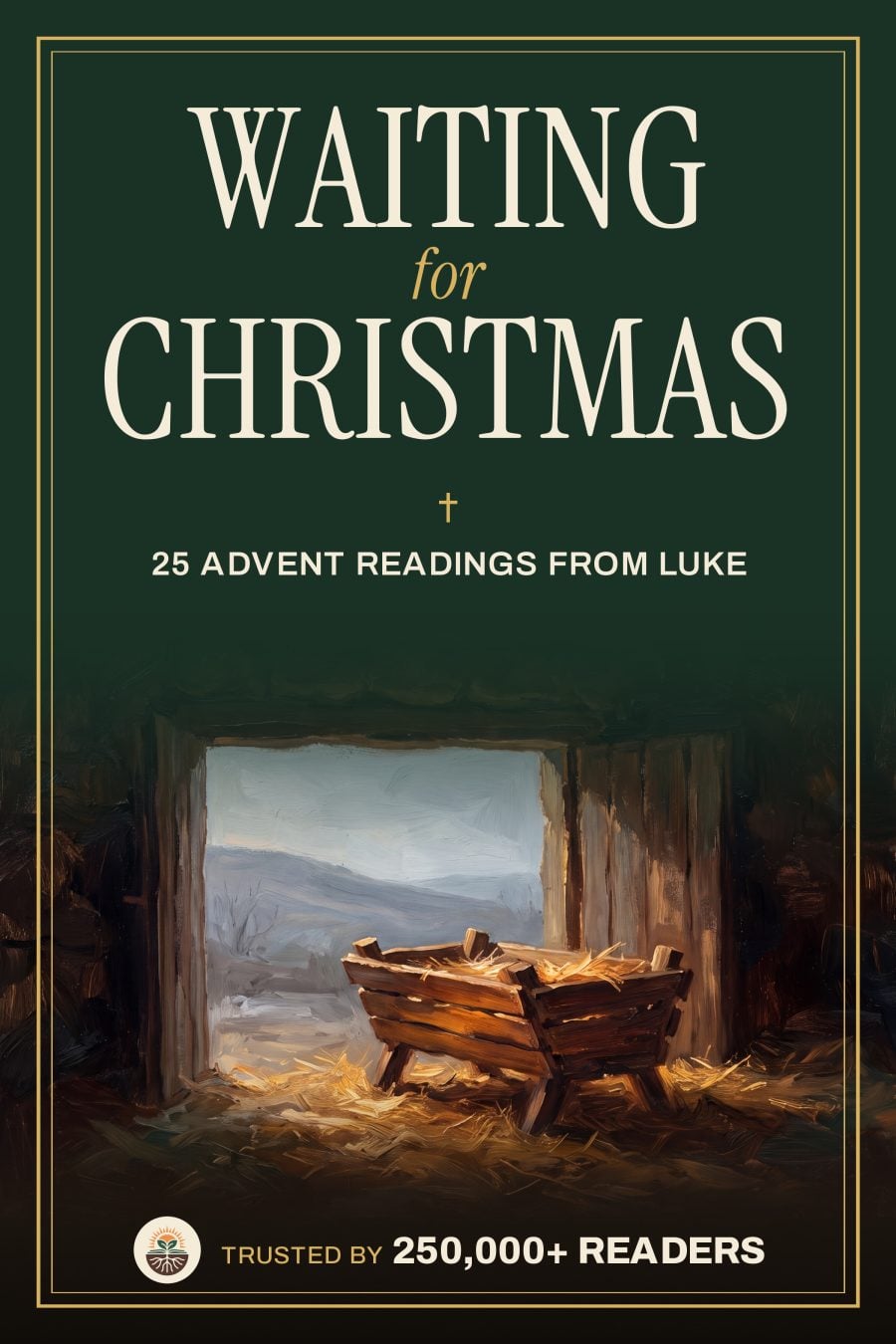
A daily Advent devotional for December 1 to 25, guided by the book of Luke. Twenty-five readings trace one promise from David's tent to the manger,...
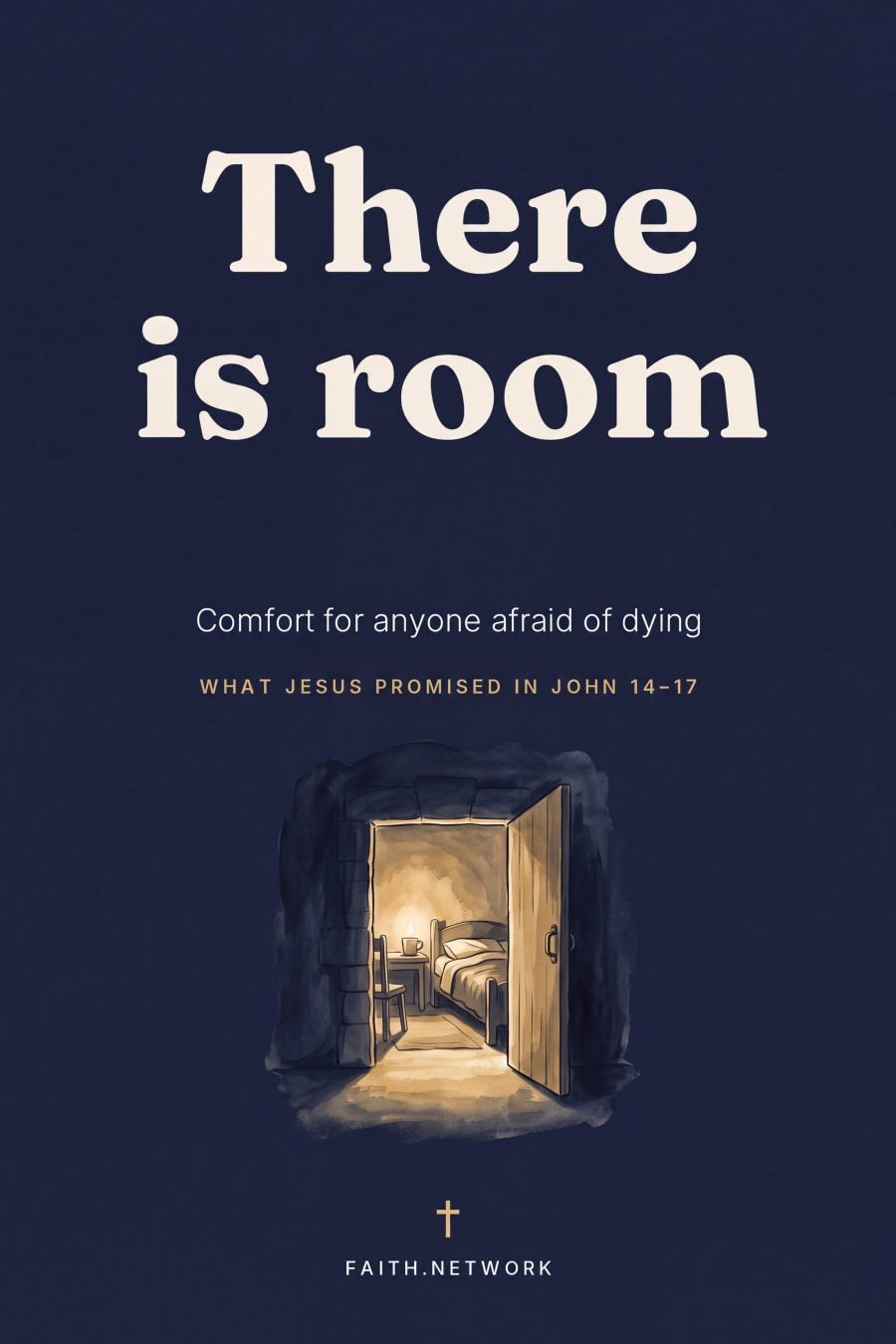
On the night before He died Jesus told frightened friends He was going first and there would be room. Fourteen short chapters on John 14-17 for any...


A modern classic on the letter that has changed history more than once.


The second half: assurance, election and everyday Christian living.

Romans: An Introduction and Commentary
A trusted Tyndale commentary: compact, careful and clear on every passage.
Faith.network earns a small commission on Kobo purchases made through these links, at no extra cost to you. It helps keep the studies free.
Frequently asked questions about Romans 9
Quick answers to the most common questions about this Bible passage.
What does Romans 9 mean?
What is Romans 9 about?
What is the historical context of Romans 9?
What does Romans 9 teach us about God's character?
How is Romans 9 still relevant today?
What the community shares on Romans 9
Insights, prayers and thanksgivings from readers and the editorial team on this passage.
Paul lists what belongs to his own people: "whose is the adoption, the glory, the covenants, the giving of the law, the service, and the promises." Every gift, and still he weeps for them. It stops me. You can grow up surrounded by holy things, Bibles, hymns, church, and still hold Christ at arm's length. Privilege is not the same as surrender.
Father, I keep trying to earn what you've already offered. Forgive me for the striving, the scorekeeping, the quiet belief that I must prove myself. Teach me to trust instead, and keep me from tripping over the very grace you've laid in front of me.
Explore this passage at a different level
Beginner, theologian, or a different reading length? Adjust the settings and generate your own version.
Open in the study tool

 Philippines
 Nigeria
 Zimbabwe
 India
India
 Zambia
 South Africa

 Malawi
 Kenya
Kenya

 Indonesia




 DR Congo
 Ghana
Ghana
 Nepal
Nepal

 Cameroon







 Mozambique

 Benin
Benin














