1 John 2:15
The Text
Do not set your heart on the world, John says, nor on anything the world contains. And then the sentence that stings: if anyone does love the world, the Father's love is not in him. No middle ground is offered, no percentage, no gentle scale of maturity. Love is presented as something with a direction, and it cannot face two ways at once.
The Core
Notice that John does not say the world is worthless, nor that God hates it. Ten verses earlier he wrote that Christ is "the atoning sacrifice for our sins, and not for ours only, but also for the whole world." So the world is loved by God and forbidden to us in the same letter. That tension is not a contradiction; it is the whole point. God loves the world as its Maker and Rescuer. We are being warned against loving it as a rival center of gravity, a thing to organize our lives around. The issue is not creation but allegiance. What John touches here is the deepest thing about us: not what we believe but what we are bent toward.
The Common Thread
The old command was always this: "you shall love the LORD your God with all your heart." Israel heard it at Sinai, forgot it in Canaan, and kept relearning it in exile. What John adds is that this undivided love is no longer only a demand; it has become a possession, something given. He speaks of "the Father's love" being in a person, love as an indwelling reality rather than an achievement. That shift happens through Christ, who walked the one path John calls us to walk in verse 6. In him the human heart is finally shown loving God completely, and through him that love begins to live in people who never managed it on their own.
The Mirror
Ask yourself honestly what you would grieve most to lose. Not what you should say, what you would actually grieve. A promotion that finally proves something to your father. A body that still looks capable. A house that says you made it. The savings account that lets you sleep. None of these things are evil, which is exactly why John's warning is so hard to apply; he is not naming vices, he is naming affections. The question is not whether you use these things but whether they use you, whether your peace rises and falls with them. Most of us cannot answer that question in the abstract. We answer it when something is taken away and we discover how much of us goes with it.
Today, name out loud, alone, the one thing whose loss would frighten you most, and then say to God: this is yours, not mine.
The Detail
The Greek behind "the world" here is kosmos, a word John uses in at least three ways in this letter, and he does not stop to distinguish them for us. It can mean the created order, or all humanity, or, as here, the whole system of desire and status that runs on itself and has no room for the Father. The same word, three horizons. John seems to trust his readers to hear which one he means. That trust is itself instructive. He is not offering a rule you can apply mechanically, some list of forbidden objects. He is describing an atmosphere, a way of wanting, and asking you to recognize it from the inside. You cannot outsource that recognition to anyone.
The Intertext
James puts it more violently: friendship with the world is enmity with God. But the closer echo is Jesus in the Sermon on the Mount, that no one can serve two masters, and that where your treasure is your heart will be also. Jesus grounds the impossibility not in law but in the way hearts work. They follow what they treasure, the way water follows a slope. John is saying the same thing in the language of love rather than service, and he adds something Jesus implied: it is not only that you cannot love both, it is that loving the world crowds out the Father's love in you, like a room already full.
The Profile
These were people who had just watched friends walk out of the church. "They went out from us, but they didn't belong to us." The wound was fresh. Those who left probably looked successful, articulate, at home in the wider world, while those who stayed were a small minority in cities where the temples and the trade guilds and the public honors all belonged to somebody else. John's readers were not being warned against luxury; most of them had none. They were being warned against a longing to belong to a world that had made it very clear what belonging would cost them.
Reflection
Where in the last month did your peace rise and fall with something that is passing away?
If the Father's love is something that is in a person, what would it look like in you tomorrow morning?
Go deeper in 1 John
Hand picked books that unpack this Bible book further.
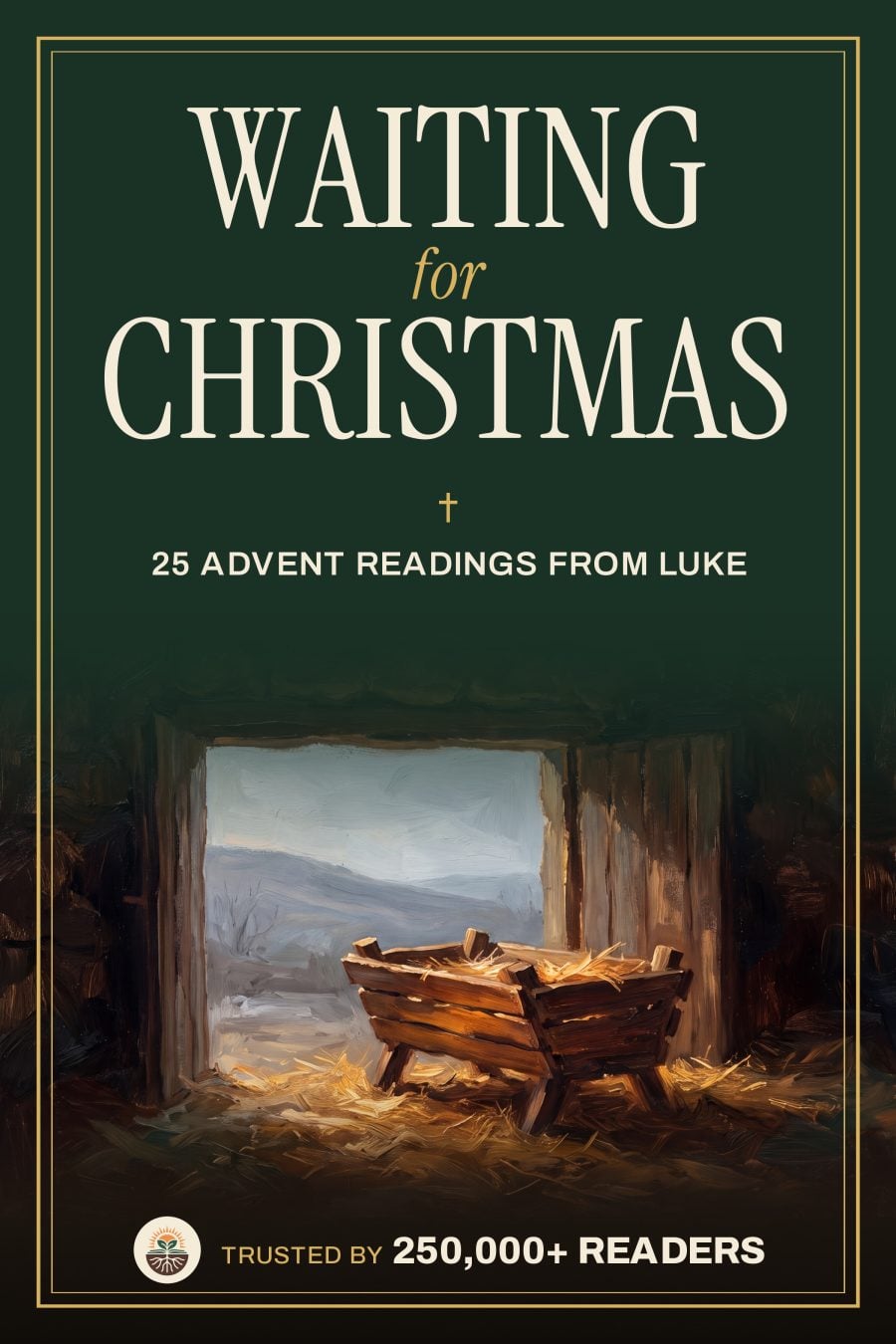
A daily Advent devotional for December 1 to 25, guided by the book of Luke. Twenty-five readings trace one promise from David's tent to the manger,...
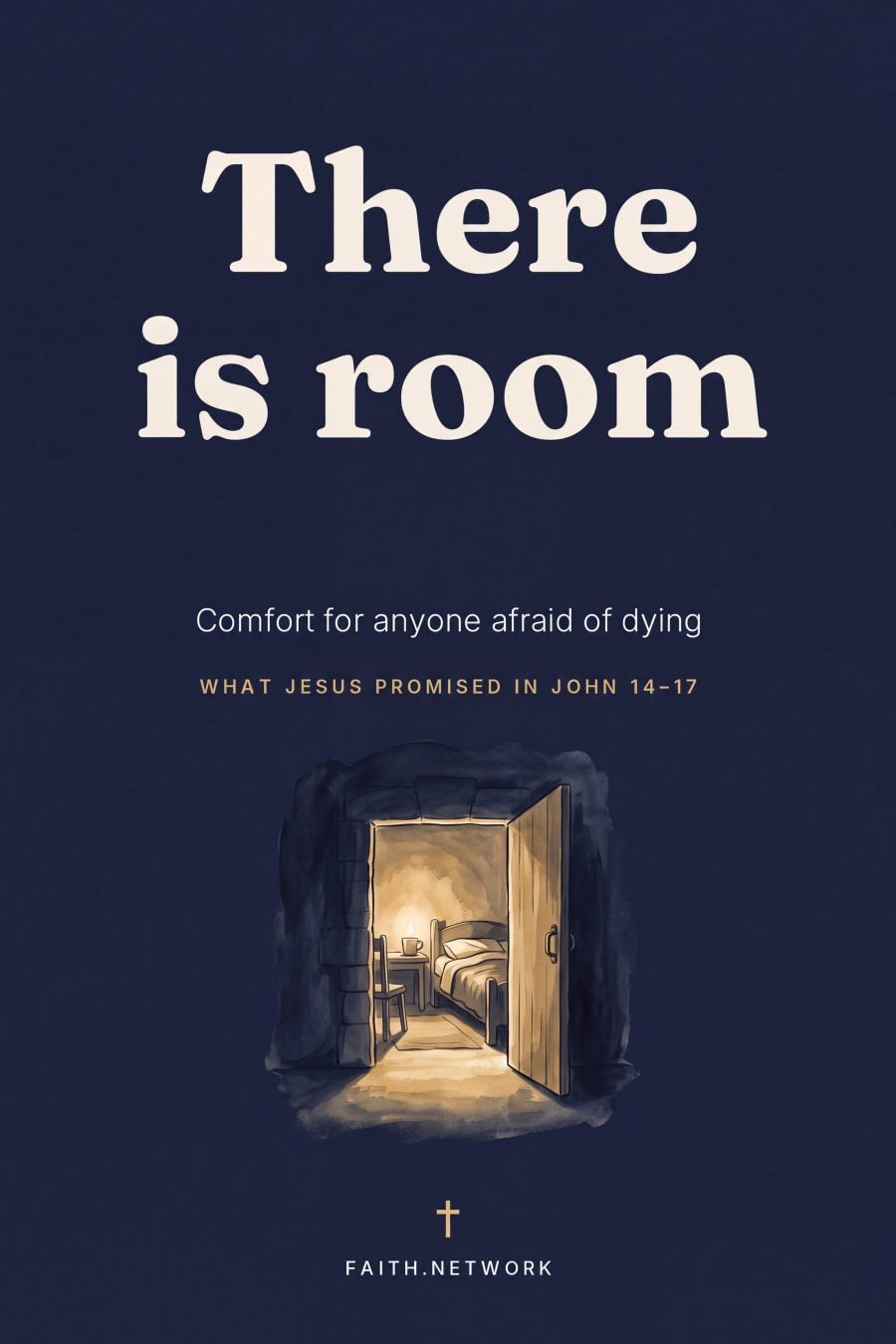
On the night before He died Jesus told frightened friends He was going first and there would be room. Fourteen short chapters on John 14-17 for any...

Early Christian Letters For Everyone
James, Peter, John and Jude in short accessible readings.

Assurance, love and truth in John's letters, warmly explained.

The Letters of John: An Introduction and Commentary
A trusted Tyndale commentary: compact, careful and clear on every passage.

Faith.network earns a small commission on Kobo purchases made through these links, at no extra cost to you. It helps keep the studies free.
Frequently asked questions about 1 John 2:15
Quick answers to the most common questions about this Bible passage.
What does 1 John 2:15 mean?
What is 1 John 2:15 about?
What is the historical context of 1 John 2:15?
What does 1 John 2:15 teach us about God's character?
How is 1 John 2:15 still relevant today?
 JL Group
What the community shares on 1 John 2
Insights, prayers and thanksgivings from readers and the editorial team on this passage.
Father, you are right in all you do, and I want my life to show whose I am. Where I cut corners or settle for looking good, change me from the inside. Let doing what's right become natural, not forced, because you made me yours.
This is the promise which he promised us, the eternal life." Look at what comes just before it: remaining in the Son, and in the Father. So eternal life isn't a prize mailed to you at the end. It's the life of being held by God, already begun. The oldest thing you ever heard about Jesus is still the thing keeping you.
The lust of the eyes" catches me. Not stealing, not scheming, just looking and wanting. John knew the human heart long before endless scrolling existed. Notice he says these things are not "the Father's." They didn't come from home. So when your chest aches for something you saw today, ask where that ache was born.
John writes a whole letter to teach, then says "you don't need for anyone to teach you." Not a contradiction. He means the smooth new voices claiming you're missing some secret. The Spirit already showed you who Jesus is. That quiet unease when a teaching sounds off, listen to it. Then stay where you are.
Explore this passage at a different level
Beginner, theologian, or a different reading length? Adjust the settings and generate your own version.
Open in the study tool

 Philippines
 Nigeria
 Zimbabwe
 India
India
 Zambia
 South Africa

 Malawi
 Kenya
Kenya

 Indonesia




 DR Congo
 Ghana
Ghana
 Nepal
Nepal

 Cameroon







 Mozambique

 Benin
Benin














