Acts 28
 This chapter is made possible by JL Group
The Text
Shipwrecked survivors wash up on Malta, where the islanders build a fire and Paul, gathering sticks, is bitten by a viper; when he shakes it off and does not die, the crowd's verdict flips from murderer to god. Paul heals the father of the island's leading man and then the rest of the sick, and after three months the party sails on to Rome, met on the road by believers who come out to greet him. In Rome, under house arrest, Paul lays his case before the Jewish leaders, argues Jesus from Moses and the prophets all day long, meets belief and unbelief, quotes Isaiah's hard word about deaf ears, and spends two years preaching the Kingdom without hindrance.
The Core
Notice what God does not do here. He does not spring Paul from custody, does not silence the opposition, does not make the message land with everyone. What he does is keep the word moving. A storm, a snake, a chain, a divided synagogue: none of it stops the gospel from arriving where it was headed. Luke ends his book not with vindication but with a rented house and a soldier at the door, and calls that unhindered. That single Greek word, akolutos, "without hindrance," is the last word of Acts, and it is deliberately placed. The freedom that matters in this book is never the apostle's freedom. It is the word's. God's sovereignty here is not the absence of resistance but the uselessness of it.
The Common Thread
Jesus told his disciples the witness would move outward, Jerusalem to Judea to Samaria to the ends of the earth, and Acts has been tracking that arc for twenty-eight chapters. Rome is not the end of the earth geographically, but it is the hinge of the world, and the gospel reaches it not by triumphal entry but in the custody of the empire it will outlast. There is a pattern here older than Acts: Joseph in an Egyptian prison, Daniel in a Babylonian court, the exiles in a foreign city. God's people keep arriving at the center of pagan power as prisoners and keep turning the place into a pulpit. Paul in chains at Rome is the shape of the crucified Christ working through a body that is not exempt from suffering.
The Mirror
Watch how fast Malta changes its mind about Paul. One hour he is a murderer whom Justice has hunted down; the next he is a god. Neither verdict has anything to do with him. Both are the crowd reading its own theology off his circumstances, and you do this too. When the diagnosis comes, when the job ends, when the marriage frays, some part of you starts calculating what you must have done. And when things go well you quietly upgrade yourself. Paul simply shook off the creature into the fire. He did not argue with the villagers' theology, and he did not accept their worship either. Then look at verse 15: hardened, seasoned Paul, who has survived a shipwreck without flinching, sees a handful of believers walking up the road and takes courage. You are allowed to need people. Your endurance is not supposed to be self-generated.
The Intertext
The Isaiah passage Paul quotes is the commission God gave the prophet at his call, and it is the bleakest job description in Scripture: go and preach, and the preaching will harden them. Jesus used the same words about his parables. It shows up at the hinges of the story, whenever the word of God meets a people who have heard it longest. Paul is not throwing an insult at the synagogue; he is placing this afternoon's argument inside a pattern that runs the whole length of Israel's history, and placing himself in the line of prophets who kept speaking anyway. The quotation ends with a wound left open: "and would turn again, then I would heal them." Healing is still on the table. The door is closed from the inside.
The Question
Why does Luke stop here? No verdict from Caesar, no martyrdom, no resolution. If you are reading for Paul's story, the ending is a betrayal. But Acts was never Paul's story, and Luke seems willing to frustrate us to make the point. Still, the frustration is real, and it is worth sitting in rather than explaining away. We want our faithfulness to conclude in something visible: the case won, the church planted, the child come home. Luke hands us two years in a rented house and stops the camera. Perhaps the honest reading is that most obedience looks like this, unfinished, mid-sentence, with the outcome held somewhere we cannot see.
The Profile
Luke's first readers knew what we are not told. They knew what Nero did to Christians in Rome. They knew, most likely, how Paul's appeal actually ended. So when they read "without hindrance," they read it over the top of a memory of blood, and it did not read as naive optimism. It read as defiance. These were people watching their movement described as a sect "spoken against" everywhere, wondering whether a faith so contested could possibly be true. Luke's answer is a man in chains in the capital, teaching all day to whoever walks in. The empire has him. It does not have the word.
Reflection
Where are you currently reading your circumstances as a verdict on yourself, and what would it look like to shake that creature into the fire?
Who are the people at your Three Taverns, and when did you last let yourself be encouraged by them rather than performing strength for them?
Go deeper in Acts
Hand picked books that unpack this Bible book further.
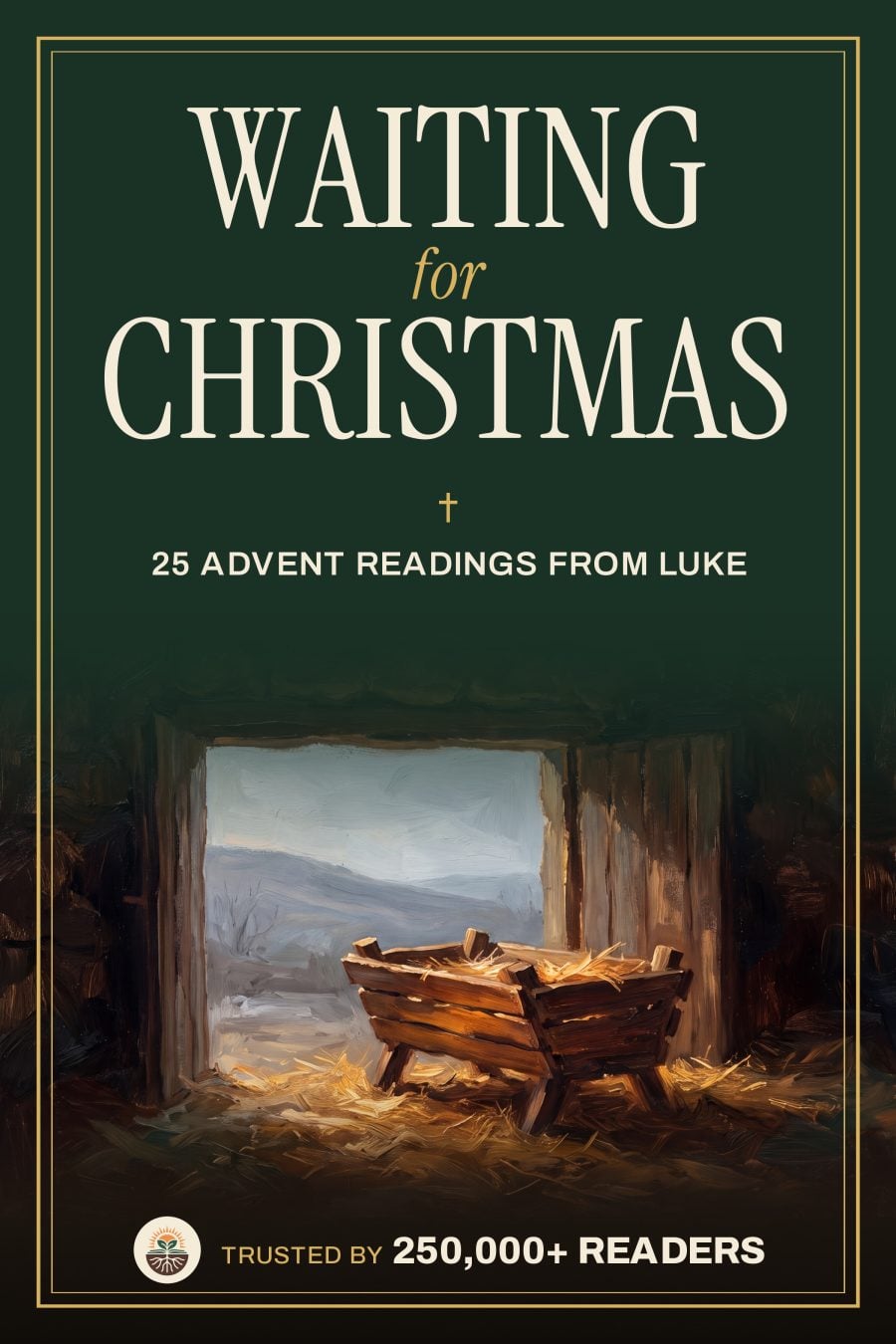
A daily Advent devotional for December 1 to 25, guided by the book of Luke. Twenty-five readings trace one promise from David's tent to the manger,...
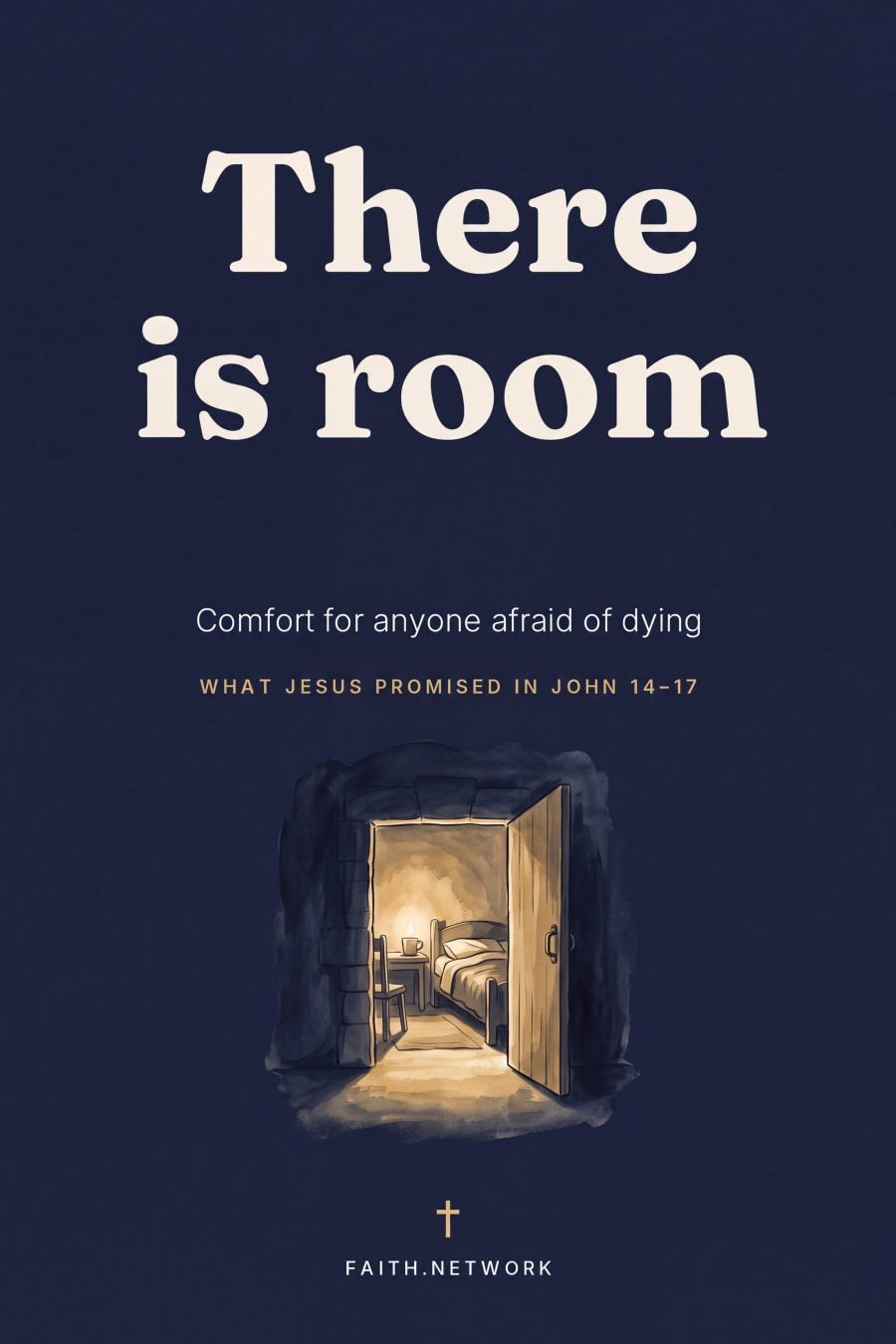
On the night before He died Jesus told frightened friends He was going first and there would be room. Fourteen short chapters on John 14-17 for any...


The church's explosive beginnings, explained with energy and care.

Acts: An Introduction and Commentary
A trusted Tyndale commentary: compact, careful and clear on every passage.

Faith.network earns a small commission on Kobo purchases made through these links, at no extra cost to you. It helps keep the studies free.
Frequently asked questions about Acts 28
Quick answers to the most common questions about this Bible passage.
What does Acts 28 mean?
What is Acts 28 about?
What is the historical context of Acts 28?
What does Acts 28 teach us about God's character?
How is Acts 28 still relevant today?
What touches you in Acts 28?
No insights have been shared on this passage yet. Be the first to leave something: an insight, prayer or thanksgiving.
Explore this passage at a different level
Beginner, theologian, or a different reading length? Adjust the settings and generate your own version.
Open in the study tool

 Philippines
 Nigeria
 Zimbabwe
 India
India
 Zambia
 South Africa

 Malawi
 Kenya
Kenya

 Indonesia




 DR Congo
 Ghana
Ghana
 Nepal
Nepal

 Cameroon







 Mozambique

 Benin
Benin














