Colossians 1
 This chapter is made possible by JL Group
The Text
Paul writes to a church he has never visited, and after greetings and thanksgiving he breaks into what sounds like a hymn: Christ is the image of the invisible God, the firstborn of all creation, the one through whom and for whom everything exists, the head of the church, the first to rise from the dead. Through his blood on the cross God has reconciled all things to himself. Paul closes by describing his own suffering as a servant of this gospel, a mystery now revealed: Christ in you, the hope of glory.
The Core
Colossae had teachers who added things to Christ. Spiritual powers, dietary rules, mystical experiences, layers of intermediaries between God and humanity. Paul does not argue their points one by one. He simply lifts Christ so high that everything else becomes furniture. If Christ made the thrones and dominions, why would you court them? If all fullness dwells in him, why would you seek fullness elsewhere? The heart of chapter one is not just a lofty Christology, it is a pastoral surgery. Paul cuts away every attempt to complement Christ, because to complement him is to diminish him. Reconciliation happens through his blood, not through your climbing.
The Common Thread
This hymn is the whole Bible in compressed form. "Firstborn of all creation" does not mean Christ was made first, it means he holds the rank of firstborn, the heir. Genesis opens with God speaking creation into being; Paul says that speaking was through the Son. The tabernacle housed God's presence in cloth and gold; Paul says all the fullness now dwells bodily in a person. Isaiah promised peace through a suffering servant; Paul says peace was made through the blood of his cross. Every thread the Old Testament leaves loose, temple, sacrifice, kingship, wisdom, is gathered here into one hand. The plan of salvation was never plan B. Creation itself was aimed at him from the first word.
The Mirror
Notice what Paul prays for the Colossians before the hymn: knowledge of God's will, wisdom, endurance, patience with joy. Not deliverance from their circumstances. Something in us wants faith to function as an upgrade, better marriage, calmer children, a job that finally fits. Paul prays that we would be strengthened to endure. The hymn then tells us why we can. If Christ holds all things together, then the day that seems to be falling apart is still held. Your body that betrays you, the colleague who undercuts you, the bank account that will not stretch, none of it drifts outside the reach of the one in whom all things consist. That is not a pep talk. It is a place to stand.
The Question
Paul writes that God was pleased to reconcile all things to himself through Christ, "whether things on the earth, or things in the heavens." What does "all things" mean? Some read universal salvation into this. But Paul immediately turns to the Colossians and adds a condition: "if indeed you continue in the faith." The tension is real and Paul does not resolve it. The cross has cosmic reach, wider than we usually preach; and yet perseverance matters, personally, urgently. Do not collapse one side into the other. Hold both. The scope of Christ's work is larger than our categories, and our response is not therefore optional. Mystery is not the same as vagueness.
The Intertext
The hymn deliberately echoes Proverbs 8, where Wisdom is present at creation, rejoicing before God. Jewish readers hearing "in him all things were created" would recognize the tune. But Paul does something startling: he takes what was said of personified Wisdom and applies it to a crucified Galilean. John 1 makes the same move with the Word. This is not decorative theology, it is a claim that the God who spoke light into being is the same one who bled at Golgotha. And Genesis 1:27 quietly returns: humanity was made in the image of God, but has fractured that image. Christ is the image, singular and whole. In him the original design walks again.
The Profile
The Colossians were a small congregation in a fading city in the Lycus valley. They lived among neighbors who took spiritual powers seriously, angels, elements, cosmic hierarchies. To hear that Christ created the thrones and dominions was not abstract theology, it was liberation from a crowded sky. They also lived under Rome, where Caesar claimed titles like son of god and lord. Paul hands them a hymn that calmly assigns every such title to Jesus. For a house church meeting quietly in someone's dining room, this was daring language. They were being told that the man executed by an imperial governor was in fact the one holding the empire together. Their smallness was not the whole picture.
Reflection
Where am I quietly adding something to Christ, treating him as necessary but not sufficient?
If all things hold together in him, what am I carrying today as if it depended on me alone?
Go deeper in Colossians
Hand picked books that unpack this Bible book further.
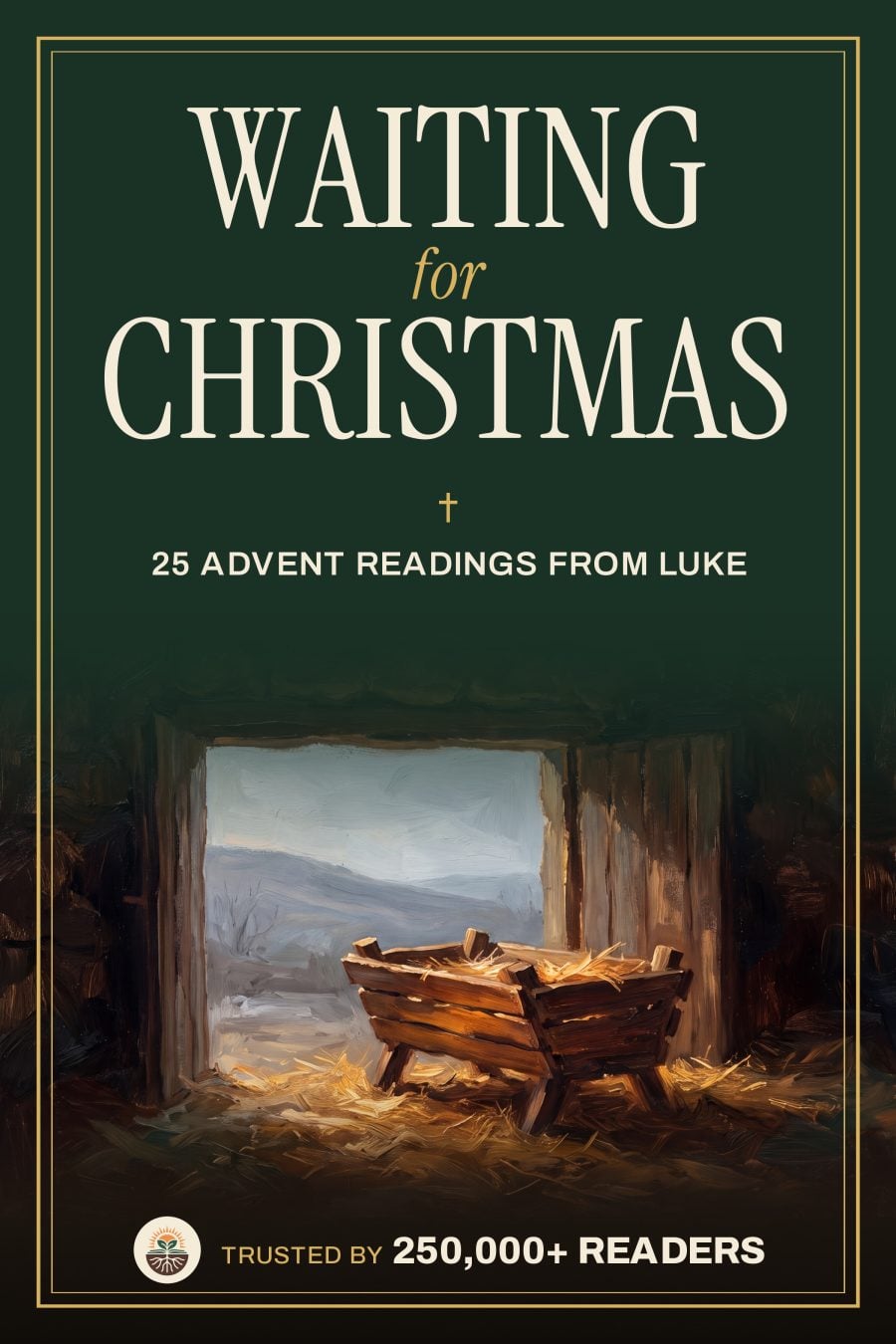
A daily Advent devotional for December 1 to 25, guided by the book of Luke. Twenty-five readings trace one promise from David's tent to the manger,...
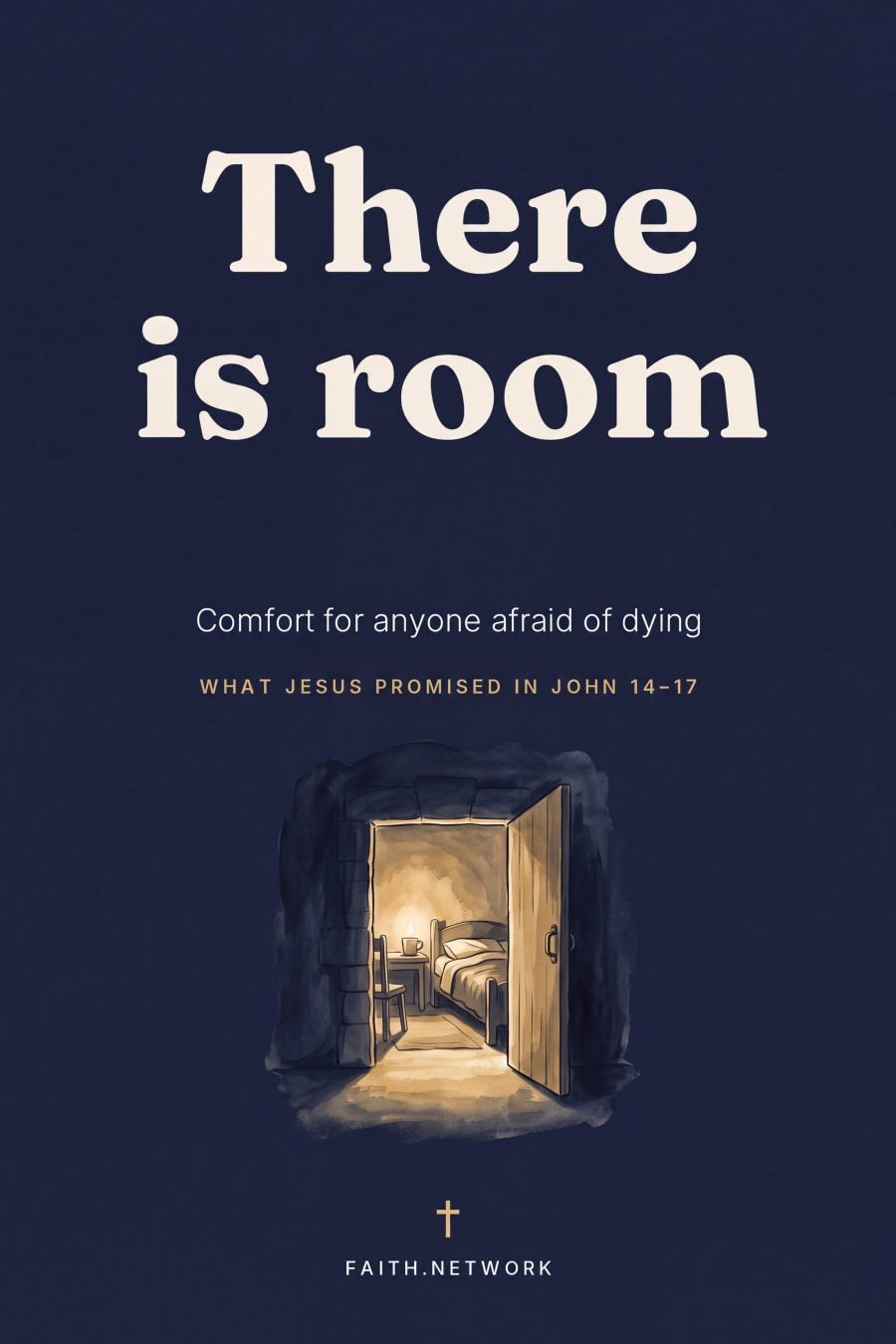
On the night before He died Jesus told frightened friends He was going first and there would be room. Fourteen short chapters on John 14-17 for any...

Paul For Everyone: The Prison Letters
Ephesians, Philippians, Colossians and Philemon in short daily readings.

Colossians and Philemon: An Introduction and Commentary
A trusted Tyndale commentary: compact, careful and clear on every passage.

Explains what it meant then, and bridges it honestly to life now.

The Message of Colossians and Philemon
Christ above everything: fullness in him against every substitute.
Faith.network earns a small commission on Kobo purchases made through these links, at no extra cost to you. It helps keep the studies free.
Frequently asked questions about Colossians 1
Quick answers to the most common questions about this Bible passage.
What does Colossians 1 mean?
What is Colossians 1 about?
What is the historical context of Colossians 1?
What does Colossians 1 teach us about God's character?
How is Colossians 1 still relevant today?
What the community shares on Colossians 1
Insights, prayers and thanksgivings from readers and the editorial team on this passage.
Paul never set foot in Colossae. That church existed because Epaphras went, "our beloved fellow servant, who is a faithful servant of Christ on our behalf." Not a famous name. Just faithful. Someone like that carried the gospel to you, a teacher, a neighbor, a mother. Have you ever thanked God for them by name?
To the saints and faithful brothers in Christ at Colossae." Paul had never met these people, yet he calls them saints. Holy ones. And notice the address: Colossae, a small town going nowhere, off the main road. Your holiness has a street name too. Whatever town, whatever kitchen, whatever ordinary Tuesday. Grace and peace find you there.
Thank You that Christ reconciled me "in the body of his flesh through death." I was far off, and now I stand before You holy, without defect, and blameless, not because I cleaned myself up, but because His body was broken for me.
Thank You, Jesus, that in You all things are held together. My breath this morning, the steady beat of my heart, the ground under my feet, none of it holds itself. You were before all things, and You are still holding mine together today.
Explore this passage at a different level
Beginner, theologian, or a different reading length? Adjust the settings and generate your own version.
Open in the study tool

 Philippines
 Nigeria
 Zimbabwe
 India
India
 Zambia
 South Africa

 Malawi
 Kenya
Kenya

 Indonesia




 DR Congo
 Ghana
Ghana
 Nepal
Nepal

 Cameroon







 Mozambique

 Benin
Benin














