Matthew 2:2
The Text
Foreigners arrive in Jerusalem with a question that sounds simple and is anything but: "Where is he who is born King of the Jews?" They have seen a star, they say, and they have come to worship. Two sentences, and in them a journey of months, an unnamed number of travelers, a claim about the heavens, and a title that already belongs to someone else sitting in a palace a few streets away. Everything that follows in the chapter, the panic, the scholars summoned, the murdered children, the flight by night into Egypt, unfolds from this one spoken question. They ask for directions. They are, without knowing it, announcing a reign.
The Core
Notice what the wise men do not ask. Not whether such a king exists. Not whether he is worth the trip. Their question is only where, and behind that single word lies a settled conviction: he has been born, and the right response to him is worship. They have travelled on evidence that would satisfy no court, a light in the sky and whatever ancient rumor of Israel drifted east with the exiles. It was enough. God, it seems, gives some people just barely enough, and then waits to see what they will do with it. Here at the beginning of Matthew's Gospel, the ones who come nearest to the truth are outsiders working from fragments, while those with the whole scroll stay home. That pattern will not go away.
The Common Thread
The word for these travellers, magoi, describes astrologers and dream-readers from the Persian world, the very class of court advisors Daniel once presided over in Babylon. Israel's exile scattered its scriptures and its hopes eastward, and centuries later something comes back: pagan stargazers arriving with a Jewish messianic title on their lips. That is how God's promise to Abraham has always worked, not by keeping the blessing sealed inside one nation but by letting it leak outward until the nations come looking. Matthew opens his Gospel with a genealogy that runs from Abraham to Jesus, and then immediately shows Gentiles at the cradle. The last words of this same Gospel send disciples to all nations. The circle that closes at the end is already drawn here, in a question asked by men who did not know they were fulfilling anything.
The Mirror
There is a version of faith that waits for certainty before it moves, and most of us practise it. We want the whole map before the first step: clarity about the job, assurance about the diagnosis, a guarantee that the marriage will hold, proof that the prayer is heard. The wise men had a star. That is all. No address, no name, no promise that the journey would end in anything but embarrassment at a foreign court. They packed gold and set out on a light. What would you do if God gave you only what he gave them, one small sign and a long road? Notice, too, that they arrived and still had to ask. Following the light did not spare them the humility of needing help.
Tonight, step outside, look up for two minutes without your phone, and say aloud the one thing you are following God on without proof.
The Question
Why a star? Astrology is not a neutral hobby in the Old Testament; it is repeatedly named as the folly of the nations, reading destiny in lights that God himself hung and called merely lamps. Yet here God does not correct these men. He meets them inside their flawed system, speaks in the only dialect they can hear, and lets it carry them most of the way to Bethlehem. Most, not all. The star gets them to Jerusalem; only the Scripture, quoted by scholars serving a murderer, gets them to the village. So does God bless what is bent, or simply use it and then outgrow it? Matthew does not explain. He lets the discomfort stand, and I think we should let it stand too.
The Intertext
Balaam, another eastern seer hired to curse Israel, ends up saying instead: a star will come out of Jacob. A pagan diviner given true words about a coming ruler; centuries later, pagan diviners following a star to find him. Matthew never cites Balaam, but the shape rhymes too closely to be accidental. Set beside that the response in verse three: "When King Herod heard it, he was troubled, and all Jerusalem with him." The city that holds the temple is disturbed by the news; the foreigners are overjoyed by it. Proximity to holy things is no guarantee of recognizing the holy one when he arrives. That warning is not aimed at Jerusalem alone.
The Detail
"We saw his star." Not a star. His. They do not claim to have decoded a general omen; they speak as though the light belonged to a person, as if a child born in an obscure village owned a piece of the sky. It is an outrageous grammar of possession, and Matthew records it without comment. Everything in this scene is small: an infant, a house, a backwater town under occupation. And attached to that smallness, a star. The whole logic of the incarnation is compressed into that pronoun. What is vast belongs to what is tiny. And the men who understood this first were not priests but strangers, standing in a palace courtyard, asking for an address.
Reflection
What is the one small sign you have been given, and are you still travelling on it, or have you stopped and asked for more?
Herod was troubled by the same news that made the wise men rejoice. Which news about Jesus unsettles you rather than gladdens you, and why?
Go deeper in Matthew
Hand picked books that unpack this Bible book further.
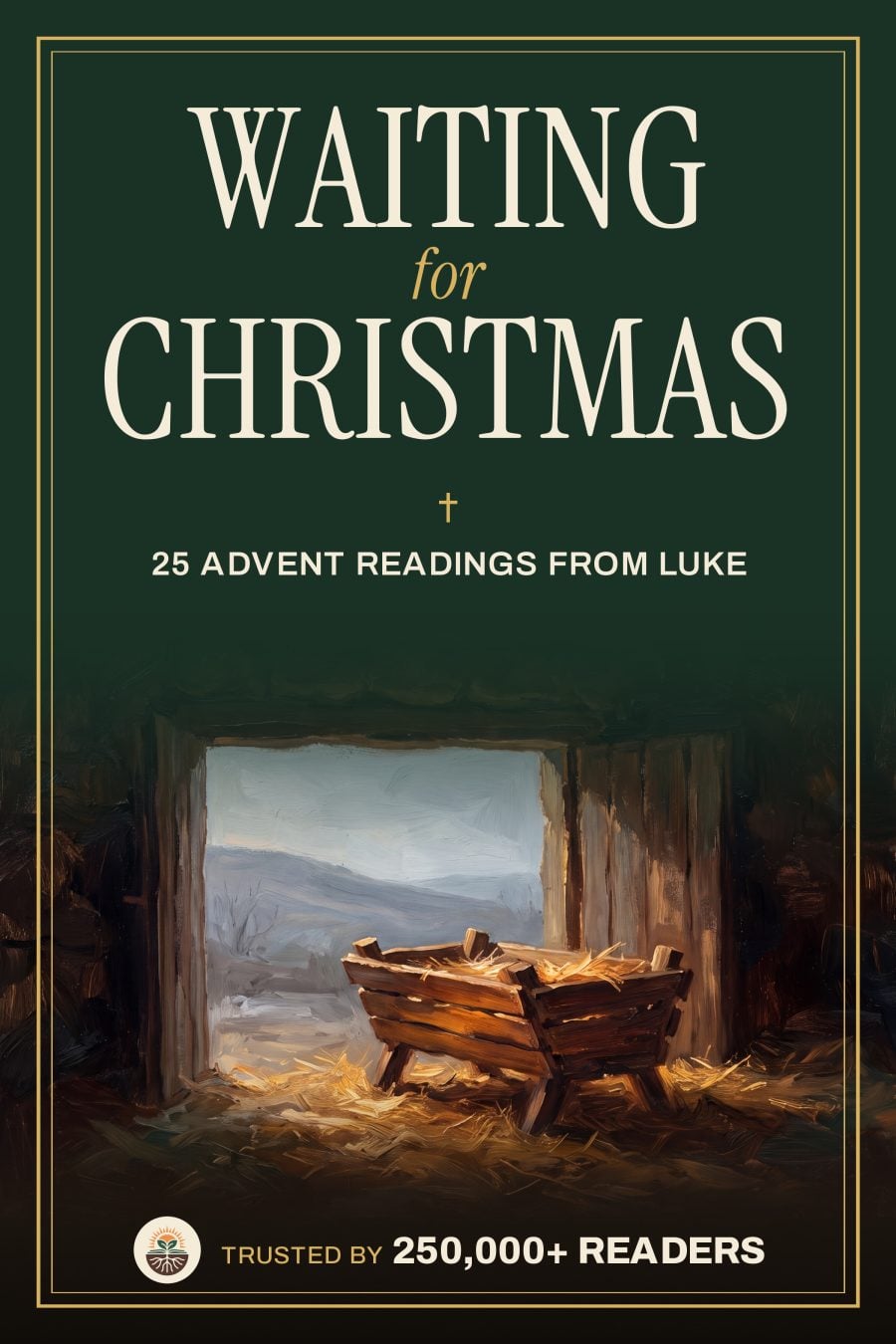
A daily Advent devotional for December 1 to 25, guided by the book of Luke. Twenty-five readings trace one promise from David's tent to the manger,...
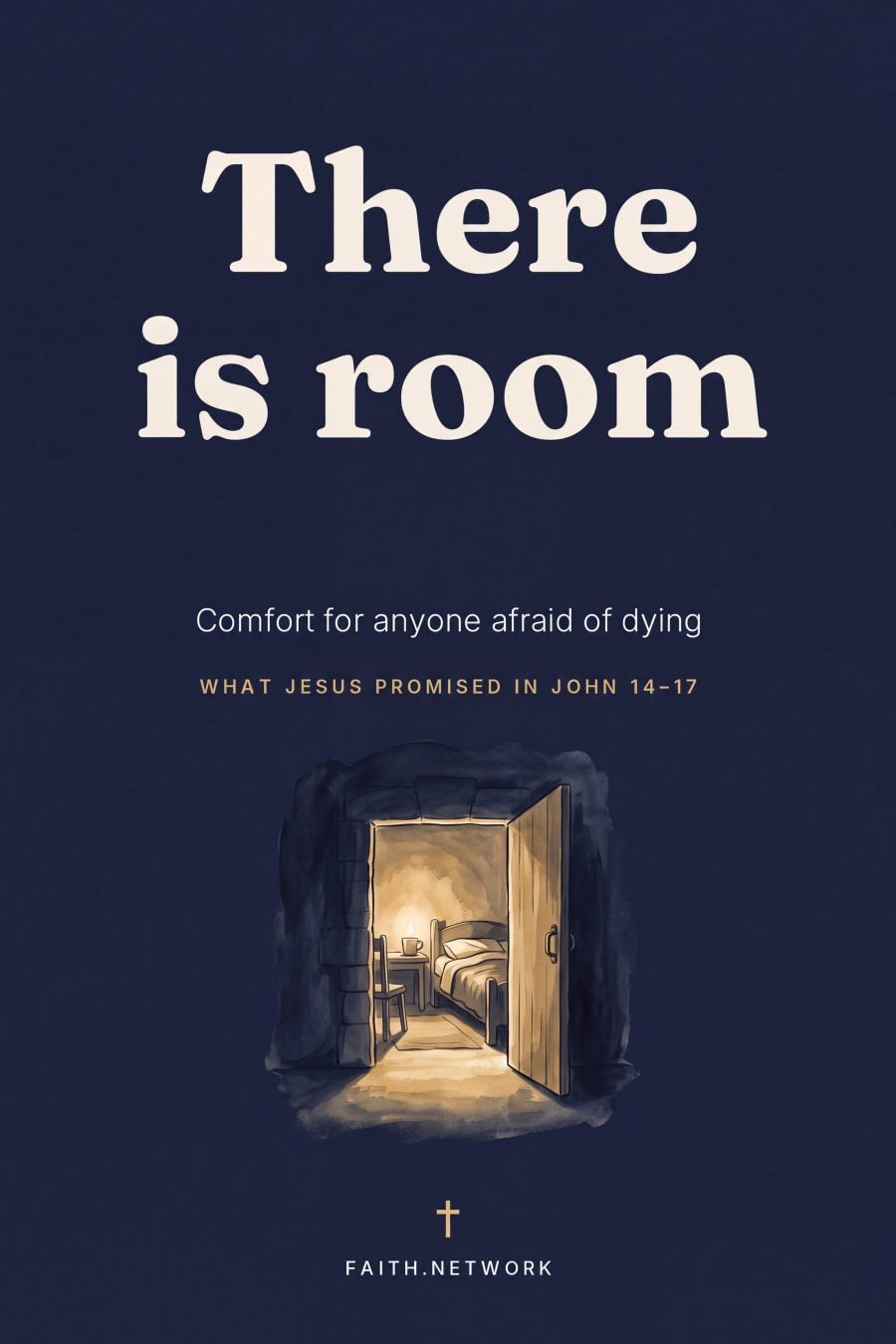
On the night before He died Jesus told frightened friends He was going first and there would be room. Fourteen short chapters on John 14-17 for any...

Short, fresh readings that make Matthew feel newly written.


The Message of the Sermon on the Mount
Stott's classic on Matthew 5-7, the charter of the kingdom.

Matthew: An Introduction and Commentary
A trusted Tyndale commentary: compact, careful and clear on every passage.
Faith.network earns a small commission on Kobo purchases made through these links, at no extra cost to you. It helps keep the studies free.
Frequently asked questions about Matthew 2:2
Quick answers to the most common questions about this Bible passage.
What does Matthew 2:2 mean?
What is Matthew 2:2 about?
What is the historical context of Matthew 2:2?
What does Matthew 2:2 teach us about God's character?
How is Matthew 2:2 still relevant today?
 JL Group
What the community shares on Matthew 2
Insights, prayers and thanksgivings from readers and the editorial team on this passage.
Stay there until I tell you." No return date, no map of how long the exile lasts. Joseph packs in the dark with only the next step in hand. Maybe that is where you are, obedient but waiting, wondering when the word will come. God did not tell him everything. He told him enough, and He promised to speak again.
Herod "asked them where the Christ would be born." The scribes knew instantly. Bethlehem. Chapter and verse. Yet not one of them walked the five miles to look. Foreigners followed a star that far; the experts stayed home with the scroll.
You can know exactly where Jesus is and still never go to Him.
Thank You that Joseph "arose and took the young child and his mother by night," obeying before dawn broke. Thank You for guarding Jesus in the dark, for making a road to Egypt when Herod's sword was near, and for still hiding Your people in the night.
Explore this passage at a different level
Beginner, theologian, or a different reading length? Adjust the settings and generate your own version.
Open in the study tool

 Philippines
 Nigeria
 Zimbabwe
 India
India
 Zambia
 South Africa

 Malawi
 Kenya
Kenya

 Indonesia




 DR Congo
 Ghana
Ghana
 Nepal
Nepal

 Cameroon







 Mozambique

 Benin
Benin














