Ezekiel 16:46
The Text
Jerusalem gets a family portrait she never asked for. God places her between two sisters: Samaria to the north, Sodom to the south. The older sister is the capital of a broken kingdom; the younger is the byword for judgment burned into every Israelite memory. And Jerusalem, the holy city, is the middle child in this notorious lineup.
The Core
This single verse does something surgical. Jerusalem has always defined herself upward: temple city, chosen city, David's city. God pulls her sideways and puts her in a lineup with Samaria and Sodom. The claim is not that she is like them by accident of geography, but that she belongs to them by family resemblance. Election never functioned as an ethnic guarantee; it was always a calling to reflect God's character. Once Jerusalem stops reflecting, the family album no longer runs through Abraham but through the Amorite and the Hittite of verse 45. What matters here is not privilege but likeness. Whose ways do you walk in? That is who your sisters are.
The Common Thread
Here is where the passage bends toward Christ in a strange, sideways manner. Jerusalem is measured and found guiltier than Sodom, the city that became shorthand for divine judgment. The holy city outdoes the condemned city. This is exactly the diagnosis Paul will later apply to all humanity in Romans: those who have the covenant markers are not saved by them; those without still stand under judgment. Everyone belongs to the same guilty family. And yet the chapter refuses to end there. Verse 60 promises an everlasting covenant, not because Jerusalem repents her way back, but because God remembers. That remembering will one day take flesh in a descendant of David who enters the guilty family precisely to redeem it from the inside.
The Mirror
Notice how the verse works on you. Most of us instinctively locate ourselves upward. We compare our marriage to the one that fell apart, our finances to the neighbor who overspends, our faith to the cousin who left the church. The comparison flatters. Ezekiel forces the opposite move: look sideways at the people you have quietly written off, and ask whether your ways actually resemble theirs more than you admit. The elder in the church who is bitter but respectable. The parent whose children are afraid of them but whose theology is airtight. The professional whose ambition eats everyone around them but tithes faithfully. Sodom is not always the city over there. Sometimes she is the sister at your right hand, and you have not noticed the family resemblance in the mirror.
The Intertext
Jesus picks up this exact logic when he speaks to Capernaum: if the works done in you had been done in Sodom, it would have remained until this day. The town that hosted his miracles gets compared unfavorably to the byword. That is Ezekiel 16:46 in Jesus' mouth. The other echo is Genesis 18 and 19, where Abraham bargains for Sodom and Lot barely escapes. Ezekiel assumes his hearers know that story bone-deep. To be told your younger sister is Sodom is to be told the fire that fell there is not a distant memory but a family precedent. The prophet is not being clever; he is quoting the deepest fear in Israel's collective memory and pointing at Jerusalem.
The Main Character
God is the one speaking, and his tone in this verse is worth pausing over. This is not a rant. It is a genealogist opening a ledger. There is a strange, almost weary precision to it: elder sister here, younger sister there, and you between them. The whole chapter has already shown a God capable of enormous tenderness (the abandoned infant, the wedding, the crown) and enormous fury (the coming judgment). In verse 46 we hear neither. We hear the voice of one who has finally named the truth out loud, the way a parent finally says what everyone in the family has known for years. Behind that naming, though, lies the covenant love that will not let this daughter simply be discarded. He names her sisters because he still calls her daughter.
The Detail
Notice the geography. Left hand and right hand, in Hebrew orientation, means north and south when you face east toward the sunrise. Ezekiel is not just listing cities; he is standing his hearers in the temple, facing the direction of worship, and showing them that Samaria is over one shoulder and Sodom over the other. The very posture of worship is surrounded by warning. You cannot face God without Sodom in your peripheral vision. That detail undoes any thought that holiness is a location you occupy. It is a direction you walk, moment by moment, with judged cities on either side and grace ahead.
Reflection
Which sister do you instinctively compare yourself to, and which one does this text ask you to look at?
If God's covenant faithfulness in verse 60 rests on his remembering rather than your performance, what does that free you to admit about yourself today?
Go deeper in Ezekiel
Hand picked books that unpack this Bible book further.
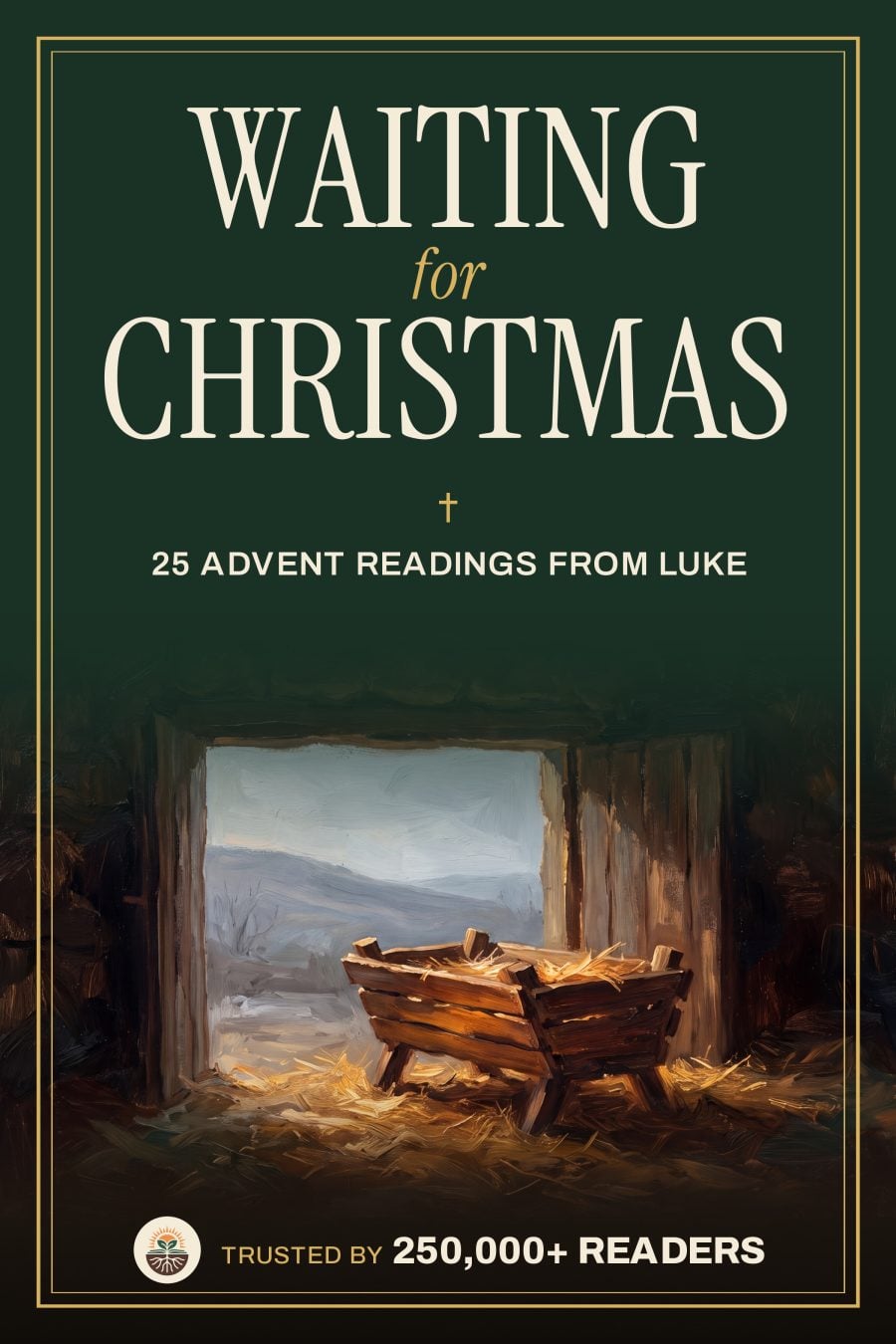
A daily Advent devotional for December 1 to 25, guided by the book of Luke. Twenty-five readings trace one promise from David's tent to the manger,...
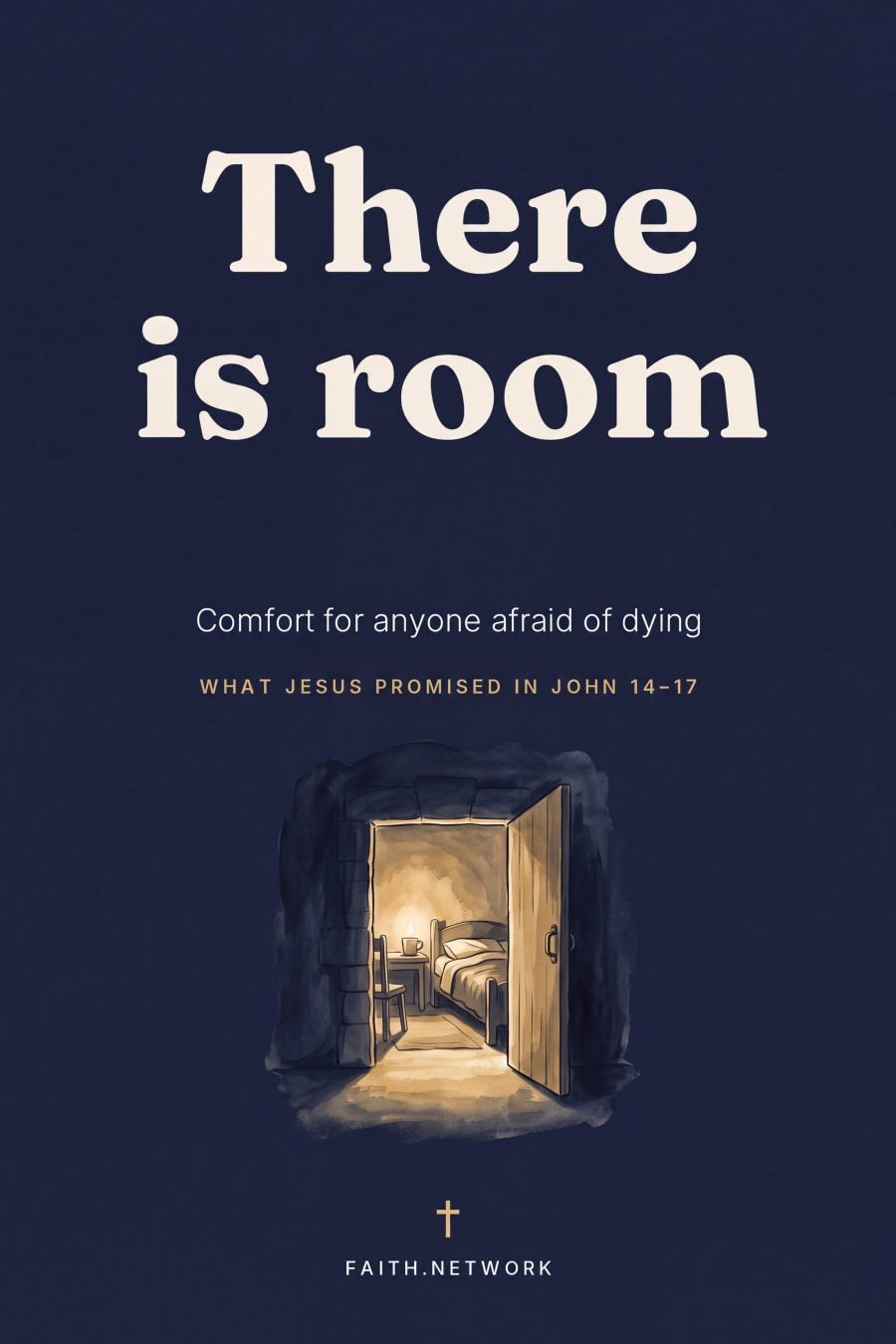
On the night before He died Jesus told frightened friends He was going first and there would be room. Fourteen short chapters on John 14-17 for any...

Makes the visions understandable and the hope of new hearts vivid.

Ezekiel (NIV Application Commentary)
Strong on what Ezekiel's strange imagery means and why it matters now.

Ezekiel: An Introduction and Commentary
A trusted Tyndale commentary: compact, careful and clear on every passage.
Faith.network earns a small commission on Kobo purchases made through these links, at no extra cost to you. It helps keep the studies free.
Frequently asked questions about Ezekiel 16:46
Quick answers to the most common questions about this Bible passage.
What does Ezekiel 16:46 mean?
What is Ezekiel 16:46 about?
What is the historical context of Ezekiel 16:46?
What does Ezekiel 16:46 teach us about God's character?
How is Ezekiel 16:46 still relevant today?
 JL Group
What the community shares on Ezekiel 16
Insights, prayers and thanksgivings from readers and the editorial team on this passage.
Father, the children were always yours, and we handed them over. Forgive us for what we sacrifice to keep our idols fed. Teach us to guard the small and defenseless, and to see clearly what our choices cost the ones you love.
Explore this passage at a different level
Beginner, theologian, or a different reading length? Adjust the settings and generate your own version.
Open in the study tool

 Philippines
 Nigeria
 Zimbabwe
 India
India
 Zambia
 South Africa

 Malawi
 Kenya
Kenya

 Indonesia




 DR Congo
 Ghana
Ghana
 Nepal
Nepal

 Cameroon







 Mozambique

 Benin
Benin














