Ezekiel 16:8
The Text
God passes by again, this time not by chance but with intent. He sees a girl grown up, spreads the corner of his garment over her, covers her nakedness, swears an oath, enters into covenant with her, and she becomes his. It is the language of marriage, but heavier: a solemn binding, an act of love and legal claim in one gesture.
The Core
This verse tells us something almost embarrassing about God: he binds himself. He is not the distant deity of philosophers, courted but unmoved. He walks past a foundling he had already saved from death (earlier in the chapter), waits until "the time of love" has come, and then commits himself with an oath. Covenant is not a business contract here. It is God saying: you are mine, and I will not walk this back. The nakedness he covers is real shame, real vulnerability. The oath he swears is stronger than the girl's ability to keep hers. That imbalance is the whole point. Grace binds the party that does not need to bind itself.
The Common Thread
The spreading of the garment ("wing") over Ruth by Boaz uses the same Hebrew gesture, and Boaz becomes her redeemer. That pattern, redeemer taking the shamed one under his covering, runs straight through Scripture to its climax. Paul writes that Christ loved the church and gave himself for her, to present her without spot or wrinkle. The garment God spreads in Ezekiel 16 becomes, in the New Testament, the righteousness of Christ thrown over people who had nothing to wear. And the oath God swears here without collateral is the same oath Hebrews traces to its fulfillment in Jesus, the guarantor of a better covenant. Ezekiel 16:8 is a wedding scene that anticipates a greater wedding, the one John sees at the end of Revelation.
The Mirror
Here is where it grates. We prefer a God who chooses us because we are worth choosing. Ezekiel dismantles that quietly. The girl in this story brings nothing, no dowry, no lineage worth naming, no beauty she made herself. If you have ever worked hard to be lovable, to your spouse, your parents, your congregation, your own reflection, this verse cuts. God's covenant does not run on your résumé. It also does not run on your emotional temperature this morning. He swore. That is what stands. Which raises the harder question: are you actually willing to be loved like that, without earning it, without contributing, without the dignity of having deserved it? Most of us would rather be admired than covered.
The Intertext
Boaz and Ruth I already mentioned; the parallel is not accidental, both use the corner of the garment as an act of protective claim. Hosea's marriage to Gomer runs the same theme through the prophets, God binding himself to a bride who will not stay faithful. And in the New Testament, Ephesians 5 pulls the marriage image toward its full weight: Christ washes his bride, clothes her, presents her to himself. What Ezekiel shows in raw form, an oath sworn over a naked girl in a field, Paul shows in liturgical form, a bride made ready by her husband. Both passages insist the initiative is entirely on his side.
The Profile
Ezekiel's first hearers were exiles in Babylon. They had lost the temple, the land, the visible signs that God was with them. When they heard chapter 16, they heard their own story told with painful accuracy: God had picked them out of nothing, bound himself to them at Sinai (the covenant language here echoes Sinai), and they had broken the marriage. Verse 8 would have stung, because they remembered that oath and now sat in a foreign land wondering if it still counted. Ezekiel's answer, later in the same chapter, is that God will remember his covenant even when they cannot. For an exile, that is not sentiment. It is survival.
The Main Character
God is the one moving in this verse. Every verb belongs to him: he passed, he saw, he spread, he swore, he entered, he took. The girl is entirely passive, and this is not because Ezekiel thinks women are passive. It is because Ezekiel is showing us grace with the volume turned up. What kind of God swears an oath to someone who cannot reciprocate on equal terms? A God who is willing to be exposed by his own faithfulness. That vulnerability, that willingness to be bound to an unreliable partner, is not weakness in God. It is the shape of his love, and it foreshadows a cross where the binding becomes visible in wood and nails.
Reflection
Where in your life are you still trying to earn what God has already sworn to give you?
If Christ has covered you with his own garment, what shame are you still holding onto as if it were yours to manage?
Go deeper in Ezekiel
Hand picked books that unpack this Bible book further.
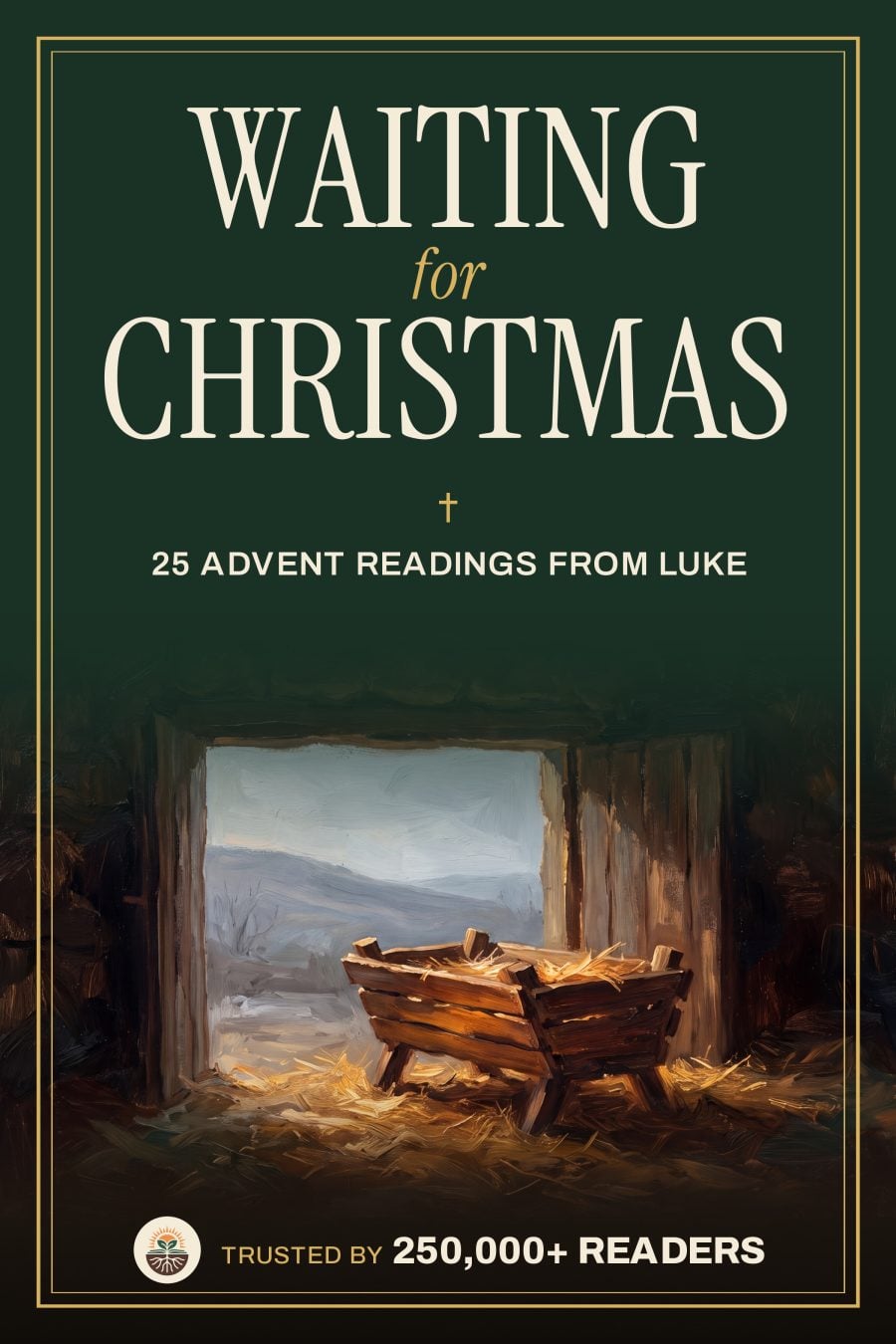
A daily Advent devotional for December 1 to 25, guided by the book of Luke. Twenty-five readings trace one promise from David's tent to the manger,...
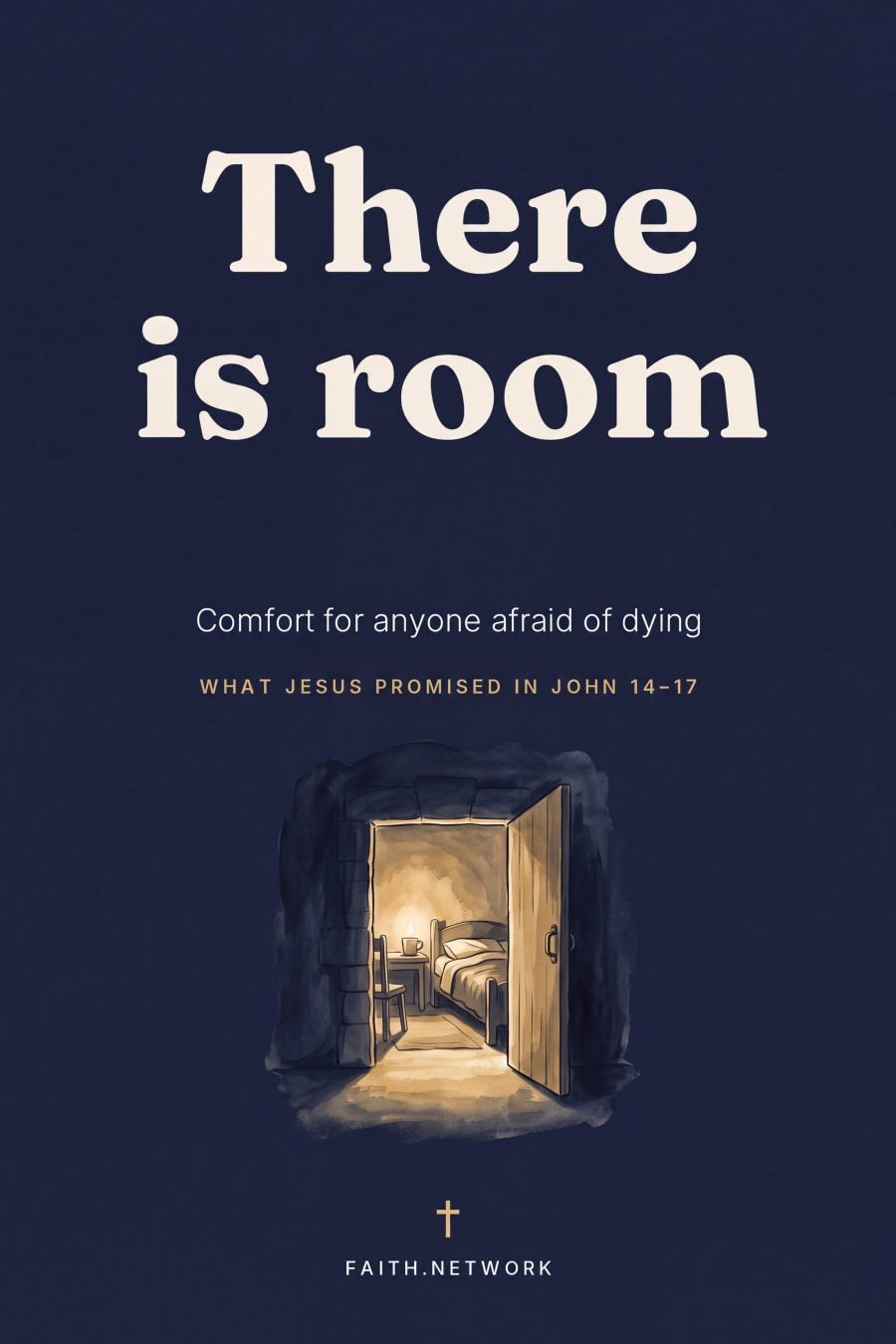
On the night before He died Jesus told frightened friends He was going first and there would be room. Fourteen short chapters on John 14-17 for any...

Makes the visions understandable and the hope of new hearts vivid.

Ezekiel (NIV Application Commentary)
Strong on what Ezekiel's strange imagery means and why it matters now.

Ezekiel: An Introduction and Commentary
A trusted Tyndale commentary: compact, careful and clear on every passage.
Faith.network earns a small commission on Kobo purchases made through these links, at no extra cost to you. It helps keep the studies free.
Frequently asked questions about Ezekiel 16:8
Quick answers to the most common questions about this Bible passage.
What does Ezekiel 16:8 mean?
What is Ezekiel 16:8 about?
What is the historical context of Ezekiel 16:8?
What does Ezekiel 16:8 teach us about God's character?
How is Ezekiel 16:8 still relevant today?
 JL Group
What the community shares on Ezekiel 16
Insights, prayers and thanksgivings from readers and the editorial team on this passage.
Father, the children were always yours, and we handed them over. Forgive us for what we sacrifice to keep our idols fed. Teach us to guard the small and defenseless, and to see clearly what our choices cost the ones you love.
Explore this passage at a different level
Beginner, theologian, or a different reading length? Adjust the settings and generate your own version.
Open in the study tool

 Philippines
 Nigeria
 Zimbabwe
 India
India
 Zambia
 South Africa

 Malawi
 Kenya
Kenya

 Indonesia




 DR Congo
 Ghana
Ghana
 Nepal
Nepal

 Cameroon







 Mozambique

 Benin
Benin














