Leviticus 23
 This chapter is made possible by JL Group
The Text
In Leviticus 23 God gives Israel a calendar. Sabbath every seven days, then Passover and Unleavened Bread in the spring, the sheaf of firstfruits, the Feast of Weeks fifty days later, and in the seventh month the trumpets, the Day of Atonement, and the Feast of Booths. Woven right into the middle of the harvest festivals, almost casually, comes the command not to reap the corners of your field and to leave the gleanings for the poor and the foreigner.
The Core
What God prescribes here is not primarily religion, it is time. He seizes the calendar. Six days for work, the seventh for rest; twelve months of ordinary life, punctured by convocations no one may skip. And notice how the rhythm is set: rest first, then work. The Sabbath opens the chapter before any feast is named. Israel is not a people who work themselves toward a reward and then briefly celebrate. They are a people whose time belongs to Yahweh from the start, and whose labor happens inside that ownership. Ethically this is enormous. It means my diary is not neutral territory. How I fill my week is already a theological statement.
The Common Thread
These feasts trace the shape of redemption itself. Passover: a lamb dies so the people go free. Firstfruits: the first sheaf waved before God as pledge of the whole harvest. Fifty days later: the loaves, now baked with yeast, brought from ordinary homes. The New Testament reads this pattern openly. Christ our Passover is sacrificed, then raised as the firstfruits of those who sleep, and fifty days later the Spirit falls on the church at Pentecost. The autumn feasts, trumpets and atonement and booths, still hang open toward a final reckoning and a final dwelling of God with his people. The calendar is a rehearsal.
The Mirror
Ask yourself honestly: when did you last stop for a full day, not because you were exhausted but because God said so? We have become skilled at a soft refusal. We answer one more email, run one more errand, tell ourselves this season is unusual. Verse 22 sharpens the mirror further. In the middle of harvest law, God says: do not reap to the edges, leave the gleanings. Efficiency is not the highest good. Your field, your salary, your time, your competence, none of it is meant to be maximized. The corners belong to someone you may not even know. If your budget has no corners for the poor and the foreigner, you are reaping like a pagan.
Context
Israel stands at Sinai, a former slave people learning to be a nation. Slaves did not own their time; Pharaoh did. Every command in this chapter cuts against that memory. Free people rest. Free people gather. Free people leave grain in the corners because they trust the God who fed them with manna. The agricultural rhythm assumed here, spring barley, summer wheat, autumn ingathering, ties worship to the soil. There is no gap between the sacred and the economic. When the harvest comes in, the first sheaf goes to God before any Israelite tastes new bread, verse 14: "You must not eat bread, or roasted grain, or fresh grain, until this same day, until you have brought the offering of your God."
The Question
Why the terrible severity around the Day of Atonement? "Whoever does any kind of work in that same day, I will destroy that person from among his people." For a day of grace, of atonement being made for you, the penalty for working through it is death. But perhaps that is exactly the point. To keep working on the day God has set aside to cover your sin is to declare you do not need it. It is to say, I will handle this myself. The severity is not arbitrary; it exposes what refusing rest actually means. Pride disguised as diligence. That question does not stay comfortably in the past.
The Main Character
God is the main character here, and what strikes me is his attention to rhythm. He is not a distant lawgiver dropping abstract principles; he tunes a people's year like an instrument. He knows we forget. He knows the harvest will feel like our own achievement, that slavery will fade from memory, that the poor will become invisible if we do not build seeing them into the calendar. So he legislates remembrance. Booths for seven days, so your children ask why you are sleeping outside, and you tell them: because we were nomads once, and God brought us out. This is a God who refuses to let his people drift. He organizes their forgetting into remembering.
Reflection
Where in your week or year have you allowed work, or the illusion of indispensability, to crowd out the rest God commands, and what does that reveal about whom you trust?
What are the "corners" of your field, the margins of your income, time, or attention, and who is currently gleaning there, if anyone?
Go deeper in Leviticus
Hand picked books that unpack this Bible book further.
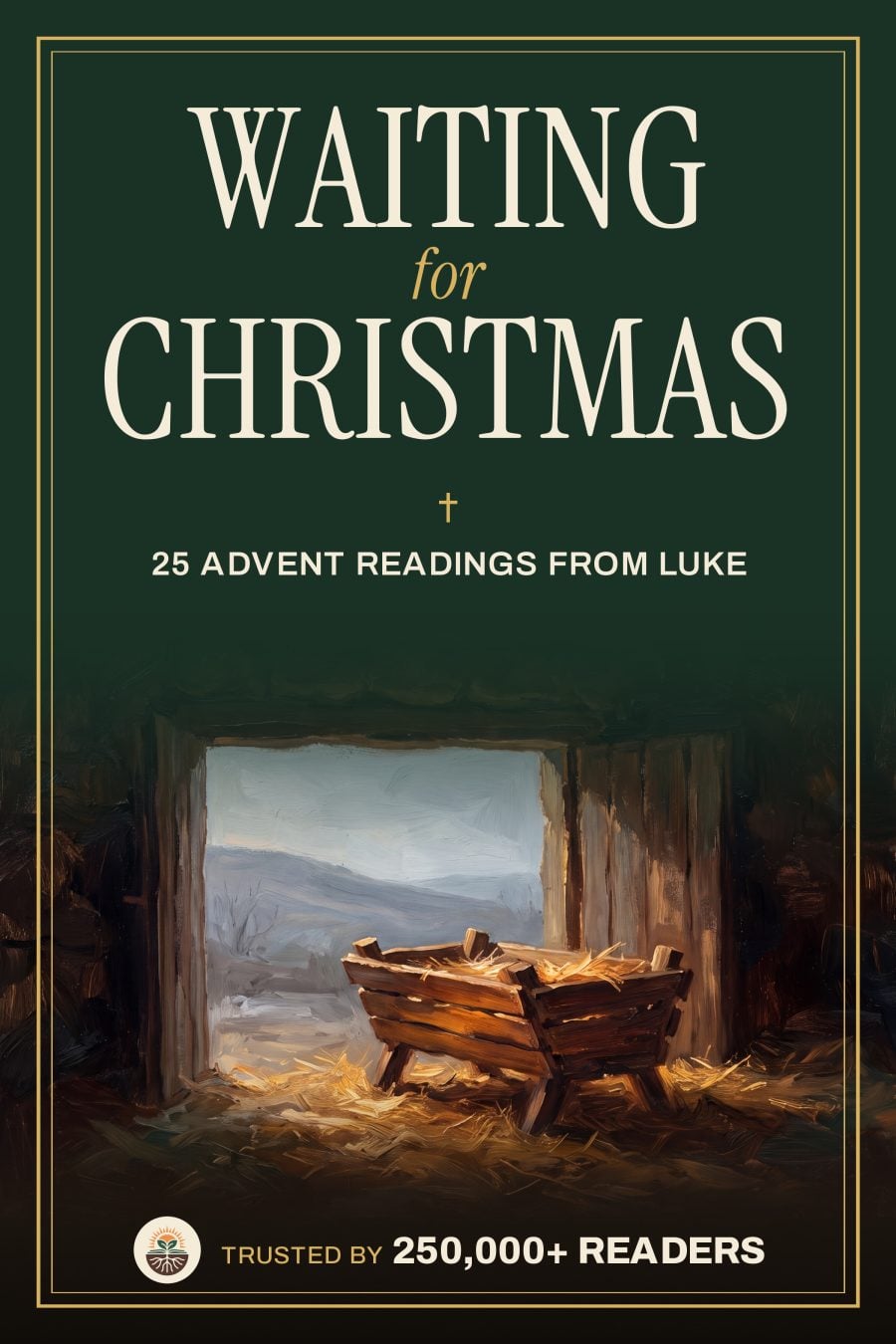
A daily Advent devotional for December 1 to 25, guided by the book of Luke. Twenty-five readings trace one promise from David's tent to the manger,...
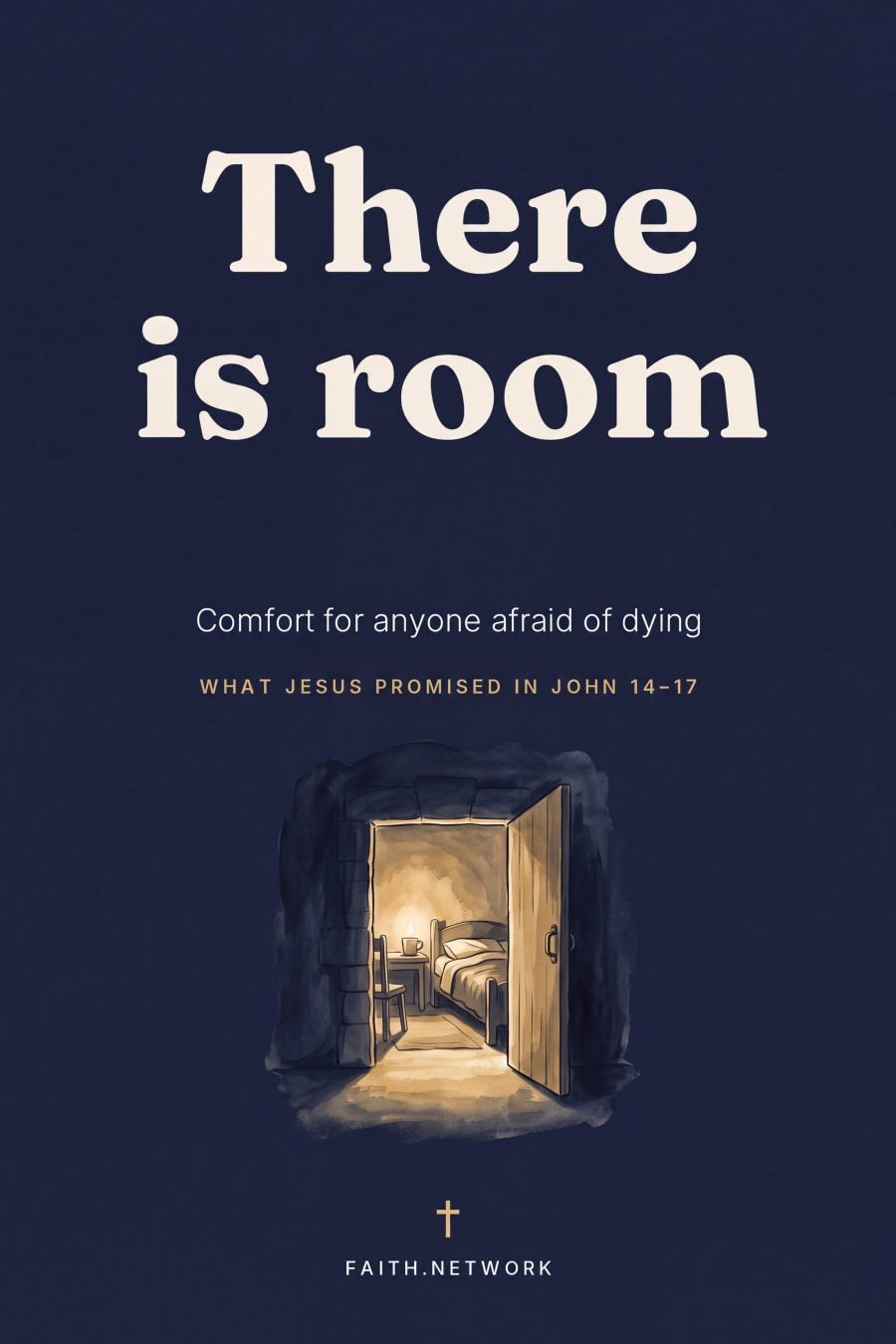
On the night before He died Jesus told frightened friends He was going first and there would be room. Fourteen short chapters on John 14-17 for any...

Makes the sacrifices and holiness laws surprisingly clear and relevant.


Leviticus (Tyndale Old Testament Commentaries)
A patient guide that turns the hardest Old Testament book into good news.
Leviticus: An Introduction and Commentary
A patient guide that turns the hardest Old Testament book into good news.
Faith.network earns a small commission on Kobo purchases made through these links, at no extra cost to you. It helps keep the studies free.
Frequently asked questions about Leviticus 23
Quick answers to the most common questions about this Bible passage.
What does Leviticus 23 mean?
What is Leviticus 23 about?
What is the historical context of Leviticus 23?
What does Leviticus 23 teach us about God's character?
How is Leviticus 23 still relevant today?
What the community shares on Leviticus 23
Insights, prayers and thanksgivings from readers and the editorial team on this passage.
Father, I bring You what I have, knowing my hands are not clean. Thank You that sin is dealt with and peace is offered, not earned. Let my life be a small offering back to You today, honest and glad.
Lord, you asked your people to bring the best, mixed with oil, poured out with care. Teach me to give you my finest too, not the leftovers of my time or heart. Let my offering rise to you as something pleasing today.
Explore this passage at a different level
Beginner, theologian, or a different reading length? Adjust the settings and generate your own version.
Open in the study tool

 Philippines
 Nigeria
 Zimbabwe
 India
India
 Zambia
 South Africa

 Malawi
 Kenya
Kenya

 Indonesia




 DR Congo
 Ghana
Ghana
 Nepal
Nepal

 Cameroon







 Mozambique

 Benin
Benin














