Psalms 50
 This chapter is made possible by JL Group
The Text
God summons the whole earth to court, from sunrise to sunset, and appears out of Zion in fire and storm. He calls heaven and earth as witnesses, and gathers the ones on trial: his own covenant people, those "who have made a covenant with me by sacrifice." Then he speaks twice. First to the worshipers who are keeping the sacrificial system running faithfully, and he tells them he has no appetite for their bulls; what he wants is thanksgiving, kept vows, and a cry for help in the day of trouble. Then to the wicked, who recite his statutes while consenting with thieves and slandering their own brother, and he warns them that his long silence was never agreement.
The Core
This psalm collapses the distance most of us keep between religion and God. Israel's problem is not neglect: "Your burnt offerings are continually before me." The machinery works. The problem is that the machinery has quietly changed masters, as if God needed feeding and the worshiper were the supplier. So God asks the question that dismantles the whole arrangement: "If I were hungry, I would not tell you, for the world is mine, and all that is in it." The Creator cannot be a debtor. Every bull on the altar was already his before it was led up the ramp. What that means is severe and liberating at once: worship can never be payment, and therefore it can only ever be response. God wants what cannot be bought from him: gratitude, kept promises, and the naked dependence of "Call on me in the day of trouble." That last line is the hinge. Being helped is what God asks of us; being useful to him is not on offer.
The Common Thread
The people on trial are identified by a phrase worth slowing over: "those who have made a covenant with me by sacrifice." That points back to Sinai, where blood was thrown against the altar and against the people to seal the bond. Covenant and sacrifice were never separable in Israel. So when God says he has no need of bulls, he is not cancelling the covenant, he is exposing what his people have made of it. The whole sacrificial system was always God's gift to Israel, not Israel's gift to God, a way of coming near that he supplied. Which is exactly the shape the gospel takes: at the cross God does not receive the payment, he provides it. The one sacrifice that finally counts is his own, offered out of Zion in a fire far more devouring than this psalm's.
The Mirror
There is a particular kind of tiredness that comes from serving a God you secretly believe is hungry. You prepare the study, you take the rota, you give the percentage, and underneath it runs a quiet ledger: surely this counts for something. Psalm 50 closes that ledger, not gently. And it asks the sharper question too, the one aimed at people who handle Scripture publicly: whether the mouth that "declares my statutes" on Sunday is the same mouth that dismantles a brother in a message thread on Tuesday. God's silence about that gap has been long. Verse 21 says what the silence was not. Meanwhile the one thing he actually asked for, "Call on me in the day of trouble," sits untouched, because we would rather be his supplier than his dependent. So: say out loud today, in one plain sentence, the trouble you have been managing alone, and ask him to deliver you from it.
The Intertext
Isaiah opens his book with the same courtroom, heavens and earth summoned as witnesses, and God saying he is full of burnt offerings and cannot bear the incense of hands stained with blood. The correspondence is not accidental; the prophets and this psalm are doing one job, prying worship loose from bribery. The other echo is Paul in Romans 2, pressing the man who relies on the law and boasts in God: you who preach against stealing, do you steal? That is verse 16 in Greek dress. Paul's point, like the psalm's, is not that religion is worthless but that covenant membership without obedience becomes evidence for the prosecution rather than protection from it. Judgment starts, in both texts, inside the household of faith.
The Question
Verse 22 does not read like grace: "lest I tear you into pieces, and there be no one to deliver." The verb is what a lion does to prey. It is uncomfortable precisely because the same God has just promised, seven verses earlier, "I will deliver you." Deliverance and tearing come from one mouth. We would prefer to soften this into consequence, as if God merely lets sin run its course, but the psalm will not have it; he says I will. Perhaps the honest thing is to hold the two together without resolving them. The alternative to a God who tears is a God who is finally indifferent to the slandering of your mother's son. And notice: even the threat is a warning, spoken in time, while there is still a door. That is mercy, wearing an alarming face.
The Detail
"The sacrifice of thanksgiving" is not a poetic phrase for a good attitude. The Hebrew is todah, and it names a specific offering in Leviticus: meat and loaves brought after a rescue, eaten the same day, which meant you had to gather people around a table to help you finish it. You could not offer a todah privately. It required telling the story of what God had done, out loud, to witnesses. So God's demand in verse 14 is not less concrete than a bull; it is more. He is asking for the one sacrifice in which he receives words rather than food, and in which the worshiper eats. That is why it bookends the psalm at verse 23. Gratitude that goes public is what God calls glory.
Reflection
Where in your religious life are you still functioning as God's supplier rather than his guest, and what would change if you stopped?
Who has heard you tell, out loud and in detail, something God has actually done for you, and if no one has, why not?
Go deeper in Psalms
Hand picked books that unpack this Bible book further.
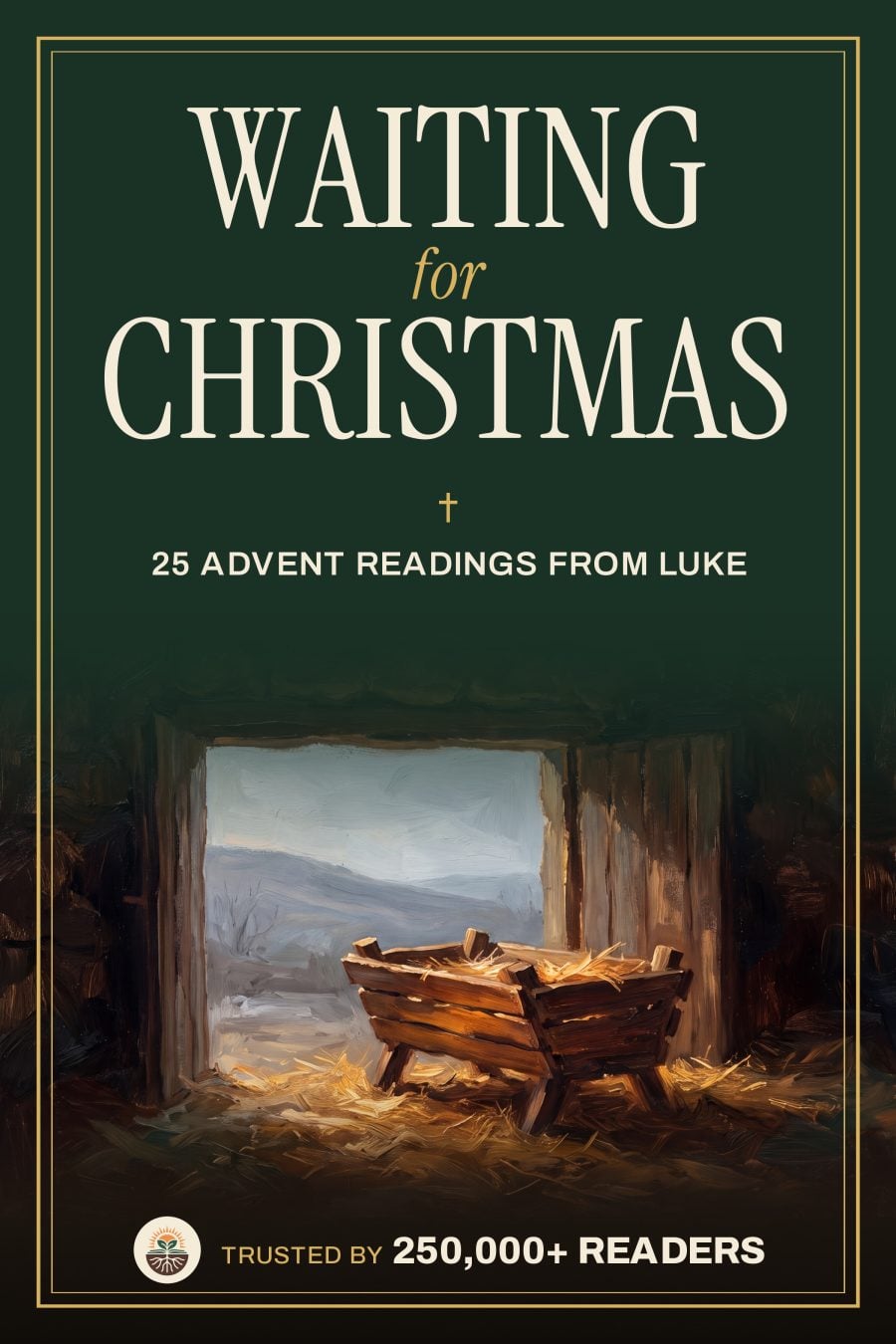
A daily Advent devotional for December 1 to 25, guided by the book of Luke. Twenty-five readings trace one promise from David's tent to the manger,...
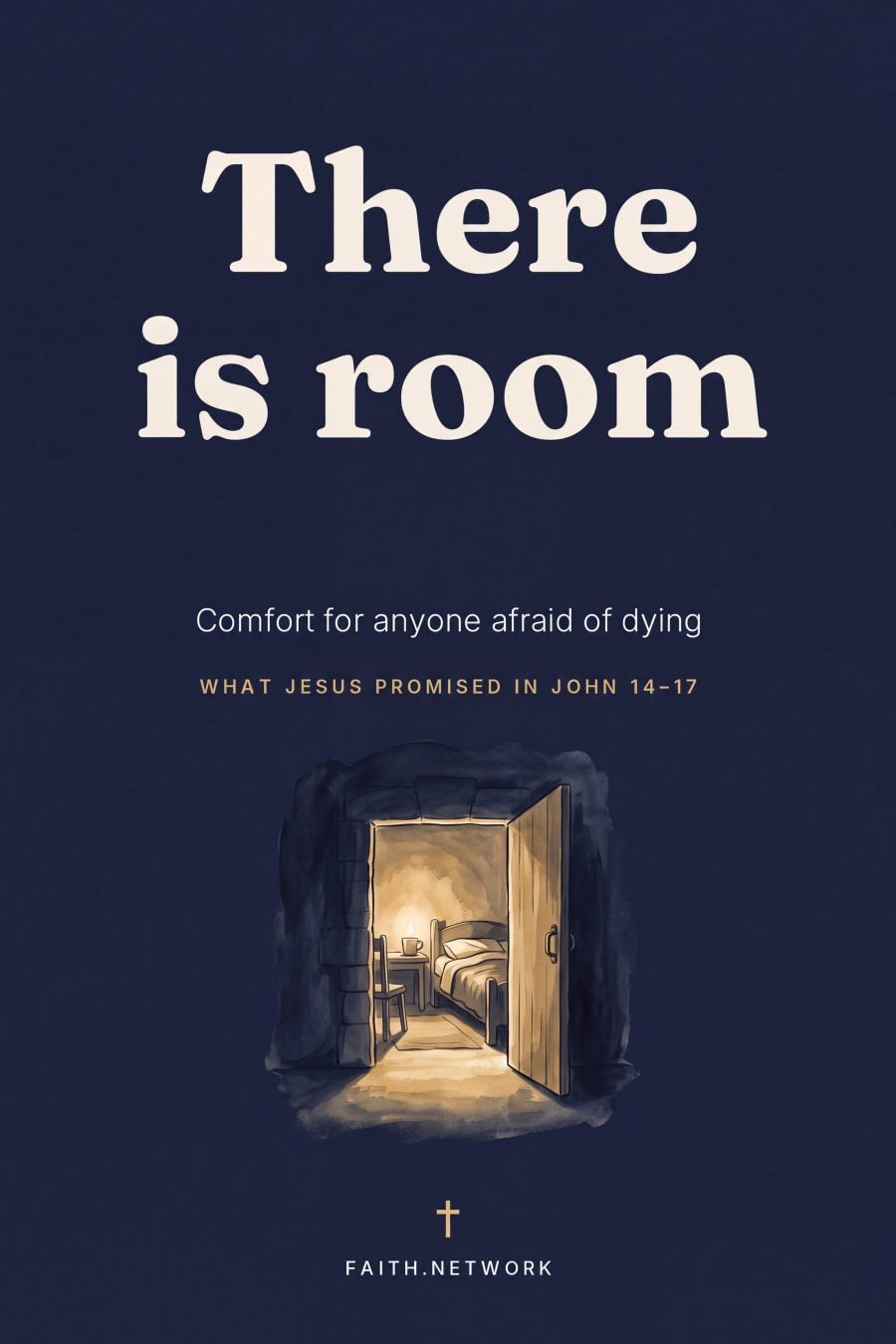
On the night before He died Jesus told frightened friends He was going first and there would be room. Fourteen short chapters on John 14-17 for any...

A year of daily devotions through every psalm, ideal alongside your reading.

Psalms 1-72 (Tyndale Old Testament Commentaries)
Kidner's crisp notes have helped generations pray the psalms.


Faith.network earns a small commission on Kobo purchases made through these links, at no extra cost to you. It helps keep the studies free.
Frequently asked questions about Psalms 50
Quick answers to the most common questions about this Bible passage.
What does Psalms 50 mean?
What is Psalms 50 about?
What is the historical context of Psalms 50?
What does Psalms 50 teach us about God's character?
How is Psalms 50 still relevant today?
What touches you in Psalms 50?
No insights have been shared on this passage yet. Be the first to leave something: an insight, prayer or thanksgiving.
Explore this passage at a different level
Beginner, theologian, or a different reading length? Adjust the settings and generate your own version.
Open in the study tool

 Philippines
 Nigeria
 Zimbabwe
 India
India
 Zambia
 South Africa

 Malawi
 Kenya
Kenya

 Indonesia




 DR Congo
 Ghana
Ghana
 Nepal
Nepal

 Cameroon







 Mozambique

 Benin
Benin














